

Which are the best fish for comics?
There are many factors to take into account to ensure that the flavor of our paella is perfect, but one factor that must never fail under any circumstances is our stock, or, in the case of this blog post, fumet.
Whether for dry rice, creamy rice, or brothy rice, the stock used in paella is essential to its flavor. After all, the rice absorbs the flavor of the broth, and a poor fumet will ruin the entire dish.
In one of our previous blog posts, "How to Prepare a Good Paella Stock", we already explained how to make a good stock and fumet for your paellas. This time, however, we want to dive deeper and provide additional tips on how to achieve a perfect fumet for paella.
What Is Fumet and Why Is It So Important in Cooking?
The term fumet originates from French, derived from fumée, meaning “aroma” or “essence.”
Over time, it became the term used to describe the concentrated aroma obtained by simmering certain ingredients, especially fish, seafood, vegetables, and bouquets of aromatic herbs—hence its widespread use for fish stocks.
The main value and importance of this stock lies in its aroma and flavor, obtained through gentle cooking, which gives dishes an intense taste and fragrance that is unmistakable even before tasting.
How Is Fumet Different from Fish Stock?
The main differences lie in the ingredients used and the cooking technique:
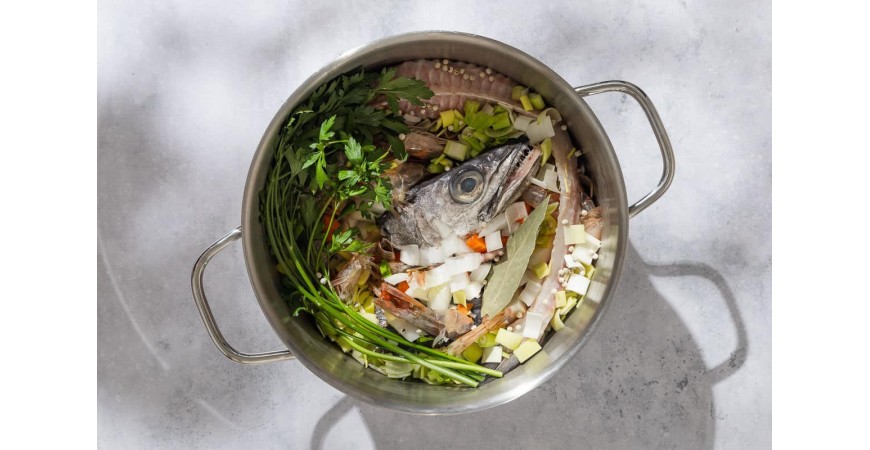
To make fish fumet, ingredients such as fish bones, heads of white fish, small mixed fish (morralla), seafood (optionally), vegetables, and aromatic herbs are used. Some modern fumets also include kombu seaweed, which acts as a flavor enhancer. The cooking time is short (20–30 minutes maximum) over low heat, without vigorous boiling, to extract flavor without bitterness.
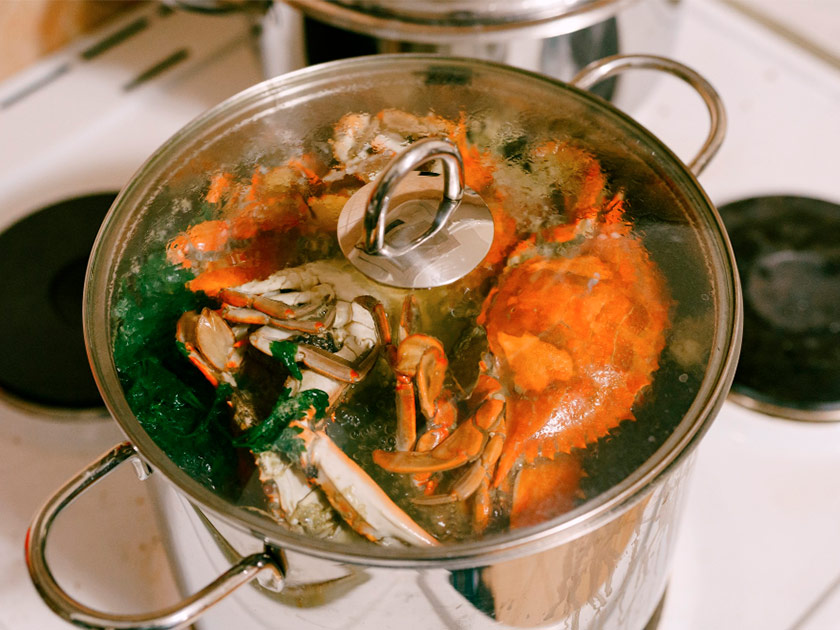
As a result, we obtain a clean, neutral, and aromatic stock, intended as a base for sauces, soups, rice dishes, and creams. We can also prepare what is known as a dark fumet, which involves toasting the seafood beforehand, using ingredients such as blue crabs or river crabs.
On the other hand, a traditional fish stock uses whole fish (not just bones), more vegetables, and may include tomatoes, dry white wine, or spices, depending on tradition. Cooking lasts around 20–30 minutes, after which the heat is turned off and the stock is left to infuse for about 1 hour. It is then strained and stored. Because it uses whole fish, this stock is richer and more intense in flavor and can be served on its own or used as a base for stews.
Uses of Fumet in Rice Dishes, Paellas, and Other Recipes
The primary use of fumet is to serve as the flavor base of a recipe, providing a seafood taste without overwhelming the palate. However, it has many other applications:
Uses in Rice Dishes, Fideuàs, and Paellas
Enhances the flavor of seafood and fish without masking them.
Adds body to the dish, as its reduction with the rice concentrates flavor, texture, and depth. It is recommended not to add salt during the process.
Helps balance flavors, preventing the rice from tasting flat or only of sofrito or tomato.
Uses in Seafood Soups and Creams
An ideal base for soups, zarzuelas, seafood creams, or bisques.
Useful for cooking seafood or fish before blending, enriching the overall flavor of the dish.
Can be thickened with cream or butter for a richer texture.
Uses in Fish or Seafood Sauces
Used as the liquid base for reductions with white wine, brandy, or tomato, creating sauces such as American, marinara, or Nantua sauce.
How to Make a Good Fish Fumet Step by Step
If you have never tried making fumet, you can visit our blog post How to Prepare a Good Paella Stock, where we explain step by step how to prepare a dark meat stock and a fish fumet for your rice dishes.
You can use that recipe as a base to prepare your own homemade fumet, along with the tips in this post to choose the right ingredients and achieve the perfect fumet for your rice.
Basic Tips for Making a Good Homemade Fumet
1 – Use the right fish: Use bones and heads of white fish (hake, monkfish, etc.) and avoid excessive use of oily fish (sardine, mackerel, salmon), as they can provide an overly intense and bitter flavor if overused.
2 – Clean the fish thoroughly: Remove the eyes and gills from the heads, as well as the entrails, since they cause bitterness. Rinse the bones with cold water to remove blood residues.
3 – Use mild aromatic ingredients: Add gentle vegetables such as leek (white part), onion, carrot, celery. Do not overuse spices—small amounts of parsley, bay leaf, or peppercorns are sufficient.
4 – Short, gentle cooking: Start with cold water to extract flavors, and cook for 20–30 minutes over low heat.
5 – Skim the foam: Remove the gray foam that appears at the beginning using a skimmer. Use a fine strainer or cheesecloth to obtain a clear stock.
6 – Boost the flavor if desired: Sauté the bones and vegetables before adding water, or use seafood such as crab (for a “dark” fumet). You can also add a splash of white wine and let the alcohol evaporate before adding water.
7 – Store it properly: Ideally, use the fumet the same day. If you have leftovers, cool it quickly and store it in the refrigerator for up to 2 days or freeze it in portions.
Common Mistakes When Preparing Fish Stock / Fumet
1 – Using too much oily fish: Oily fish such as salmon, sardines, or mackerel add bitterness and excess fat, resulting in a cloudy, overly strong fumet.
2 – Not cleaning the fish properly: Always remove eyes, gills, and entrails.
3 – Overcooking: Keep cooking time between 20–30 minutes. Longer cooking can cause bitterness and excessive gelatinous texture.
4 – Adding too many vegetables or spices: Avoid overpowering the fish flavor.
5 – Not straining properly: Always strain to remove bones and vegetable remnants.
Best Fish for Fumet: Which Ones to Use
Monkfish: Powerful, Gelatinous, and Flavorful
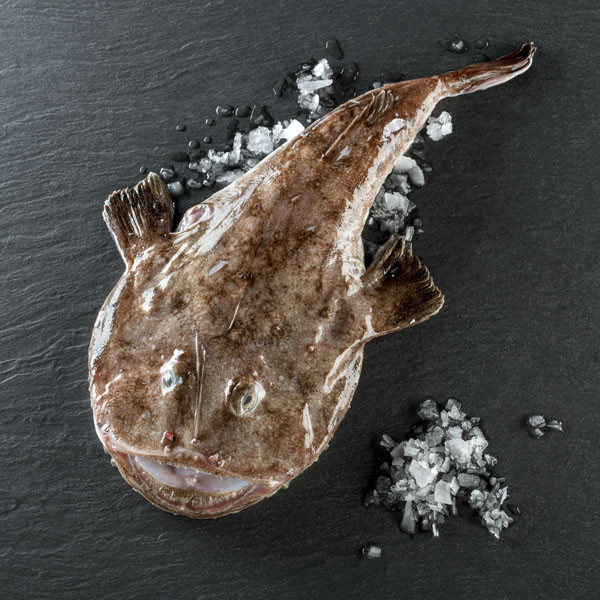
One of the most prized fish for making a premium fumet. Monkfish stands out for its thick bones and intense yet delicate flavor that does not overwhelm the palate. Use the head and bones.
Hake, Gilthead Sea Bream, and Sea Bass Heads and Bones
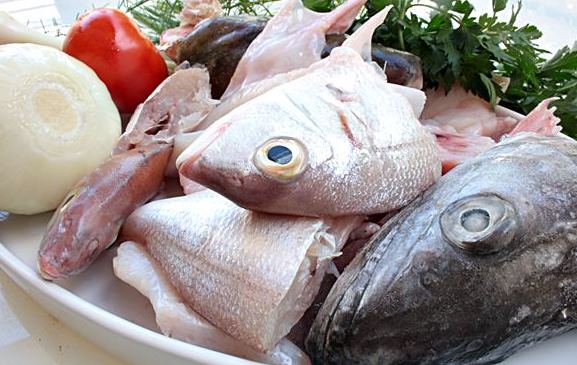
These three fish share a common trait: they provide a clean, mild stock, perfect for fumet.
Morralla: A Mediterranean Classic
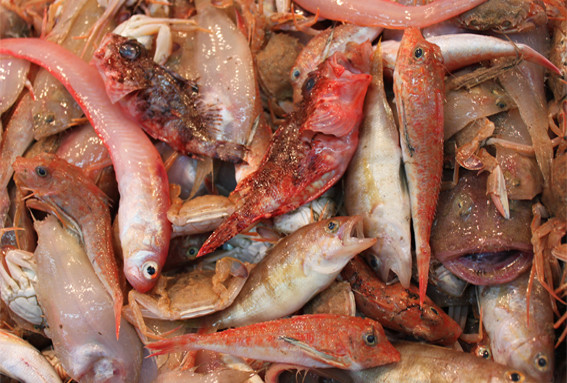
Do not be misled by the name—these fish are far from low value. The term refers to a mix of small reddish rock fish, usually under 15 cm in length.
Traditionally considered of little value due to their size, they were later discovered to be excellent for fideuàs, stocks, soups, stews, and rice dishes due to their intense flavor.
Common examples include red gurnard, combers, forkbeards, and ribbonfish.
Other Fish for Fumet
Scorpionfish: Very aromatic, more commonly used for soups and sauces than rice.
Conger eel: Widely used for its collagen contribution.
Which Fish Should Be Avoided in Fumet?
Avoid excessive use of oily fish such as salmon, mackerel, sardines, tuna, or horse mackerel, as they are too fatty and can add bitterness. If used, they should make up no more than 10% of the fumet.
Other Ingredients That Enhance Fish Fumet
Seafood: Mantis Shrimp, Crabs, and Prawns
Seafood is always valued. Use heads and shells to enrich your fumet.
Vegetables That Add Aroma and Depth
Use mild vegetables such as leek, onion, carrot, and celery.
Ideal Cooking Time to Avoid Bitterness
Cook for 20–30 minutes. Longer cooking will cause bitterness and excessive gelatinous texture.
Is It Better to Use Fresh or Frozen Fish/Seafood?
Fresh fish is preferable, but frozen fish can also be used if you consider the following:
- Frozen fish may lose some juices and aromatic compounds, although IQF freezing minimizes this loss.
- Proteins altered by freezing dissolve more easily, making the stock cloudier, though flavor is not affected.
- Poorly stored frozen ingredients may develop freezer flavors. Rinse with cold water and a splash of lemon or vinegar to remove unwanted aromas.
A Good Fumet Starts with the Right Fish
No matter how many tips you follow, one stands above all: the right fish is the key to a great fumet.
Use fresh white fish and avoid dry or spoiled fish to achieve a unique fumet for your rice dishes.