


Tricks to add flavor to paella
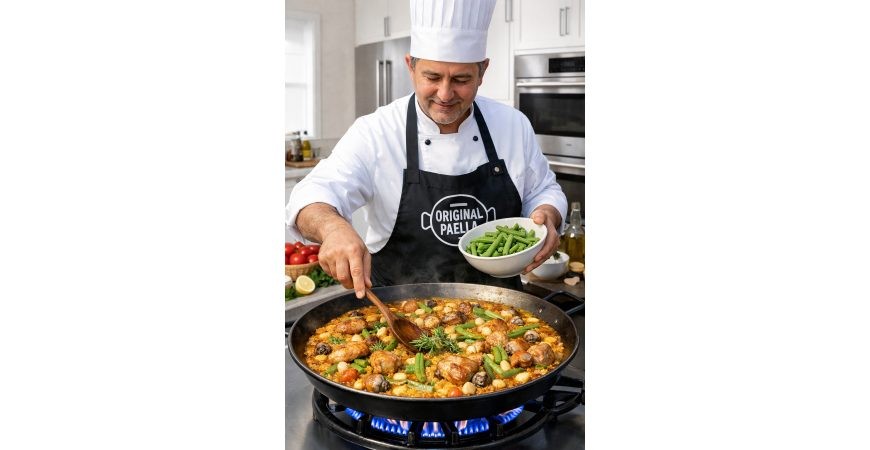
How to make a flavourful paella
Making a flavourful paella is all about technique, timing, and using the right ingredients. The secret is to build flavour step by step with a well-cooked sofrito, a rich stock, fresh produce, and proper heat control. Each stage adds depth, aroma, and balance to the final rice dish.
It is also important not to overload the paella pan with too many ingredients. A simpler combination allows every element to integrate properly and gives the rice the starring role it deserves.
To achieve a more flavourful paella, keep these key points in mind:
Use stock instead of water

One of the best ways to improve the flavour of your paella is to use homemade stock instead of water. A good chicken, meat, fish, or seafood stock gives the rice a deeper, more authentic taste that water alone cannot provide.
Make sure the stock is well skimmed and properly balanced in salt. Adding it hot to the paella pan helps maintain a steady cooking process and preserves the intensity of the flavour.
This simple step can make a real difference, especially when you prepare your stock in advance and use it as a solid base for your paella recipe.
The perfect touch: garlic, saffron, and paprika for a unique paella

Paprika should be added over the grated tomato while preparing the sofrito. Let it cook only briefly before mixing it in, as burnt paprika will turn bitter and affect the final flavour of the paella.
For saffron, the best option is to prepare a saffron infusion. This helps release its aroma, flavour, and natural colour more evenly throughout the rice. You can learn how to prepare it, whether using saffron threads or saffron powder, in our blog post "How to prepare a saffron infusion for paella"
Garlic is not usually part of traditional paella recipes, but it can work well in some variations. Just be careful not to burn it while cooking.
These small details can completely change the flavour and aroma of your homemade paella.
Additional ingredients that transform the flavour of your paella
Beyond the basic ingredients, there are other elements that can elevate the flavour of your paella when used with balance and in line with the type of recipe you are preparing.
Fresh vegetables and seafood

Fresh vegetables such as green beans or natural grated tomato enhance the flavour of paella thanks to their freshness and natural sweetness. For a vegetable or vegan paella, courgette, green pepper, artichoke, mushrooms, broccoli, and asparagus are all excellent choices.
When making seafood paella, using fresh ingredients is essential for a clean and authentic result. Wash fish and seafood thoroughly with cold water, and if you are using fish for stock, remove the eyes to achieve a cleaner taste.
The socarrat trick

Socarrat is the thin layer of crispy toasted rice that forms at the bottom of the paella pan. It is one of the most prized parts of a well-made paella and develops thanks to the final increase in heat.
To achieve it, slightly raise the heat during the last minute of cooking. A gentle crackling sound is usually the sign that the socarrat is forming properly. From that moment, count around 1 minute.
The key is to create a toasted layer, not a burnt one, so the rice develops that intense, savoury finish without becoming bitter. To make sure it always turns out right, we recommend visiting our blog post "How to make perfect socarrat in your paella"
The importance of sofrito: the base of great flavour

Sofrito is the heart of flavour in any paella recipe. This is where ingredients slowly caramelise and concentrate, creating the rich base that gives the rice its depth, whether you are making the stock directly in the paella pan or combining it with homemade stock for even more flavour.
How to prepare the perfect sofrito to enhance the flavour of your paella?
For the best results, cook the sofrito slowly over low heat, ideally using only the inner ring of your paella burner. This helps prevent the paella pan from warping due to excessive heat and allows the ingredients to release their full flavour.
Start by browning the meat or the main vegetables in your recipe. Then add natural grated tomato and cook everything over medium-low heat until all the water evaporates and the natural sugars concentrate.
Patience matters here. A properly reduced sofrito can be the difference between an average paella and an exceptional one.
Tips for customising flavour according to your type of paella
Each type of paella has its own flavour profile. Adjusting spices, stock intensity, and the type of fat used will help you create a more balanced and authentic result.
Tips to add flavour to seafood paella

For seafood paella, we recommend using homemade fish stock made with prawn heads and fish bones. This concentrated base is widely used in seafood rice dishes and gives the rice a deeper and more refined flavour. Of course, you can adapt the ingredients in your stock depending on the type of paella you are making.
If you want to know more about fish stock and how to prepare it, here are 2 tutorials on this same blog that may help you:
How to prepare a good stock for paella
Adding a small amount of hydrated and blended ñora pepper will bring depth and a gentle sweet note.
A dash of garlic-infused oil can enhance the whole dish without overpowering the seafood.

How to add more flavour to a meat and chicken paella

Browning the meat well before adding the rice is essential. That first sear creates flavour-building reactions that intensify the taste of the final dish.
Another good option is to add fresh rosemary during the last minutes of cooking. It brings a subtle Mediterranean aroma and can enhance the flavour of your paella when used in moderation.
Common mistakes that affect the flavour of paella
Avoiding common mistakes is just as important as using the right techniques. Many flavour problems come from simple errors during the cooking process.

Avoid excess salt and improper use of stock
If the stock is already salted, adding more salt without tasting first can throw off the balance of the whole dish. It is always better to adjust at the end than to over-season at the beginning. Use the stock-making process to fine-tune the salt level, whether you are preparing homemade stock or building flavour directly in the paella pan.
It is also essential to respect the right ratio of rice to stock. Too much liquid can leave the paella bland, while too little can make it overly concentrated. If you have doubts about this, we recommend visiting our blog post "How much water should I add to my paella?"
Why is it important not to stir the paella during cooking?

Once the rice has been added and spread evenly across the paella pan, it should not be stirred. Stirring breaks the grain structure and releases excess starch, changing the final texture and making the rice heavier and less separate.
Leaving the rice untouched also allows the socarrat to form properly and helps the paella cook evenly across the entire surface. For that reason, do not stir the rice unless it is absolutely necessary.
Conclusion
A flavourful paella comes from combining quality ingredients with careful technique. A well-made sofrito, a rich stock or fish stock, proper heat control, and respecting the rice cooking process are the foundations of a truly great paella.
By applying these practical tips and avoiding the most common mistakes, you will be able to make paella with deeper flavour, better aroma, and a more balanced finish. In the end, the best paella is not just the one that follows a recipe, but the one that gets every detail right.





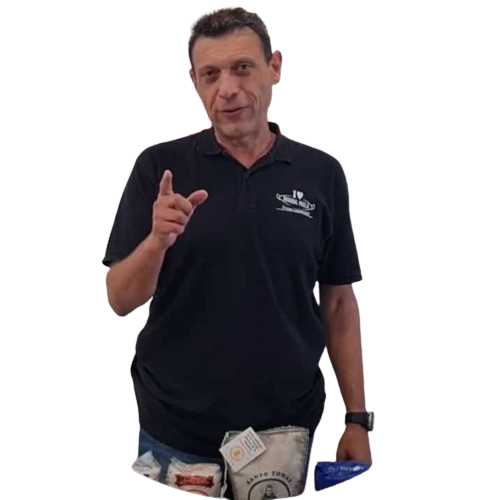
Javier Baixauli
Our CEO and founder, Javier Baixauli, naturally, is a huge paella lover. In this recipe, he demonstrates his love for all things paella and rice. With over 20 years in the world of rice and hospitality, he combines his love for paella with the experience of hundreds of catering events, festivities, and popular celebrations, not to mention paellas among friends and family. Catering, paella equipment rentals, thousands of products sold worldwide, guides, tutorials, and in-person advice, Javier and the Original Paella team pride themselves on ensuring that the love for paella spreads worldwide with every action in their name, including, in this case, this recipe. Follow and discover innovative recipes and events on our Instagram @originalpaella.