

Difference between fumet and fish stock
Difference between fumet and fish stock
When preparing a seafood paella, a fideuá or a seafood rice dish, one of the most common questions is knowing the difference between fumet and fish stock. Although they are often used as if they were the same, they are not exactly identical.
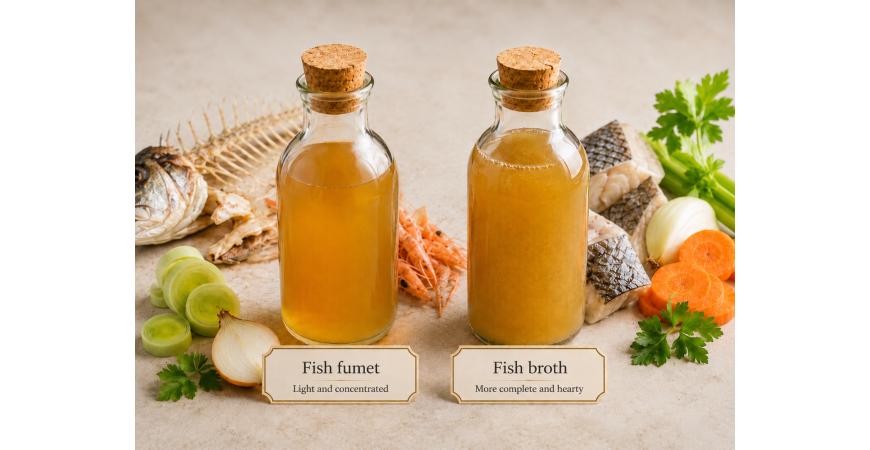
Both are used to add flavour to fish and seafood recipes, but they do not have the same intensity and are not always used in the same way. Fish fumet is usually more aromatic, clean and concentrated, while fish stock is usually milder, more substantial and more versatile depending on the recipe.
Understanding this difference is important, especially when preparing a paella, because the rice will absorb the flavour of the liquid during cooking. That is why choosing correctly between fumet and fish stock can make the difference between a decent rice dish and one full of flavour.
What is fish fumet?
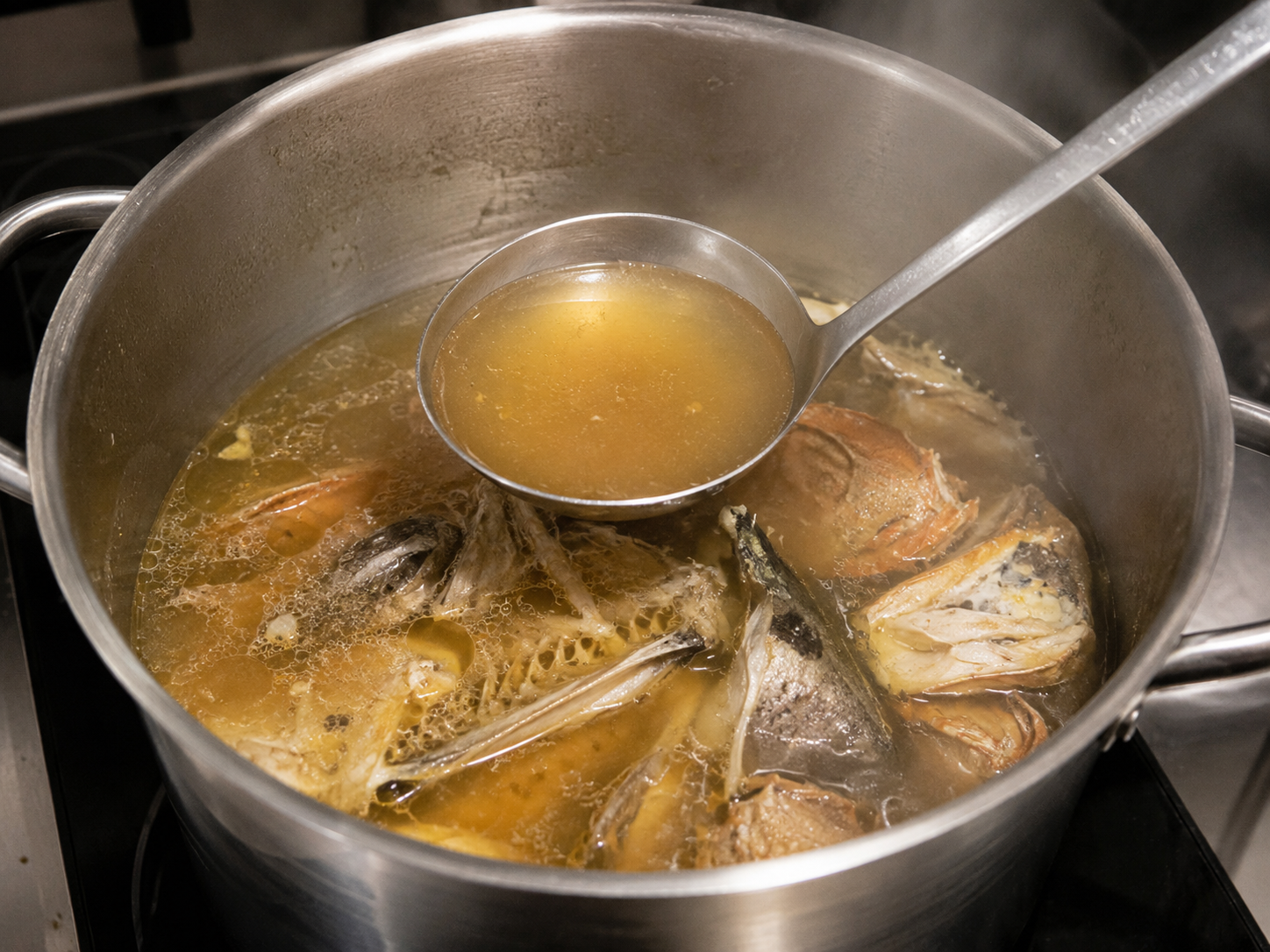
Fish fumet is a light, aromatic and concentrated base made mainly with bones, white fish heads, seafood, mild vegetables and some aromatic herbs.
Its aim is to extract the flavour of the fish and seafood through a short cooking time, without making the result heavy, bitter or too greasy. That is why a good homemade fumet does not need long hours of cooking. Normally, 20 to 30 minutes are enough to obtain a tasty and balanced base.
Fumet is widely used in rice dishes, fideuás, seafood sauces, soups, creams and fish stews. In dishes such as seafood paella or arroz a banda, its role is to add depth and flavour without overpowering the rest of the ingredients.
What is fish stock?
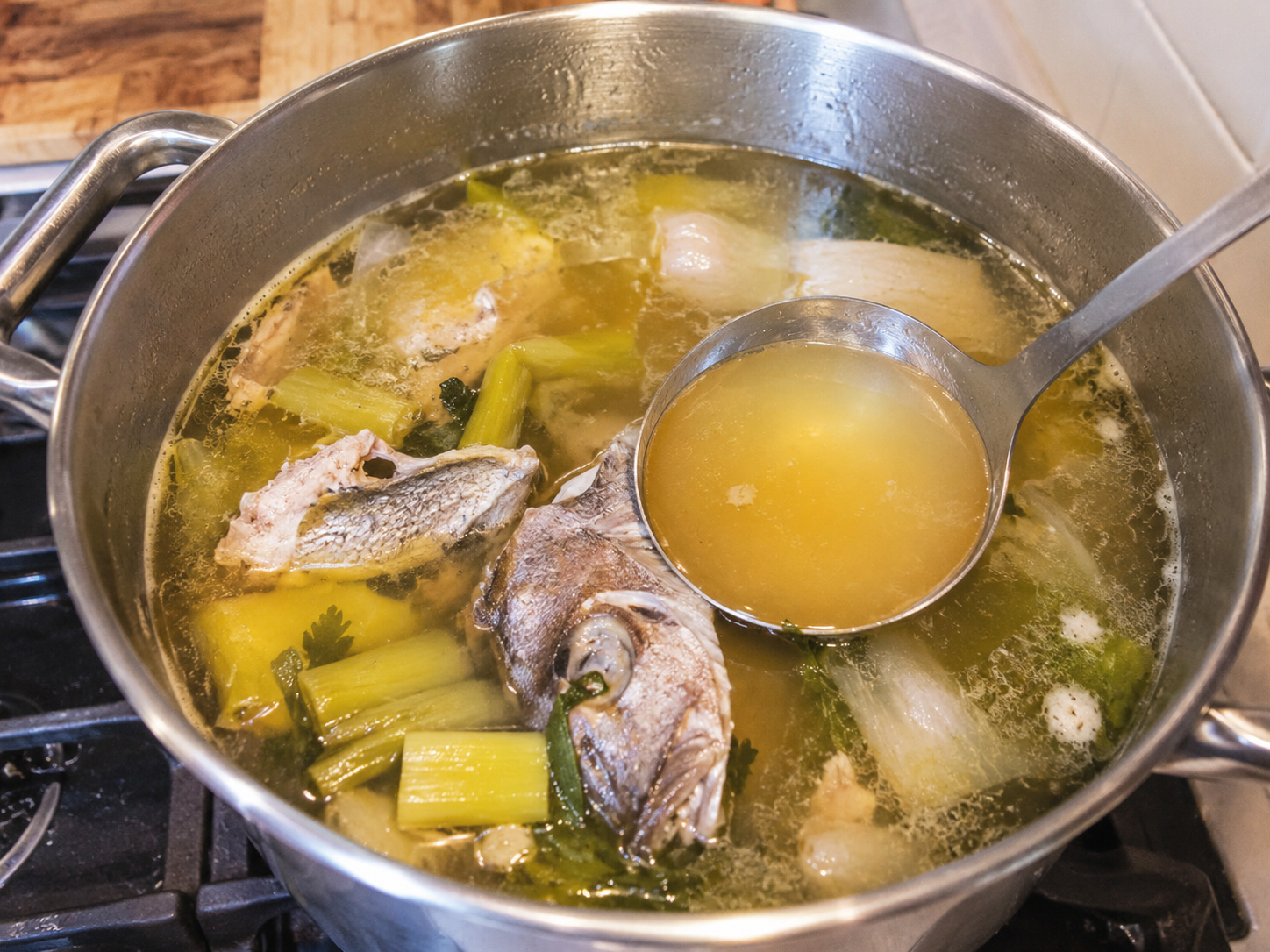
Fish stock is a liquid preparation made with fish, vegetables and water. It can be made with bones, heads, fish trimmings or even whole pieces, depending on the result we want to achieve.
Unlike fumet, fish stock is usually more general and may have a milder or more substantial flavour depending on the ingredients used. It is used as a base for soups, creams, stews, mild rice dishes or recipes where a more balanced seafood flavour is desired.
It can also include more vegetables, tomato, white wine or spices, depending on the tradition or recipe. For this reason, fish stock can have more body and may even be intended to be served as a soup, while fumet is usually used more as a cooking base.
Main differences between fumet and fish stock
The difference between fumet and fish stock mainly lies in the ingredients, cooking time, flavour intensity and how it is used in cooking.
Difference in ingredients
Fumet is usually prepared with bones and heads of white fish, such as hake, monkfish, sea bass, gilthead bream or small Mediterranean rock fish. It can also be enriched with prawn heads and shells, langoustines, mantis shrimp or crabs, especially if we are looking for a deeper seafood flavour.
It also usually includes mild vegetables such as leek, onion, carrot or celery, together with small amounts of aromatic herbs such as bay leaf or parsley.
Fish stock can be broader. It can include whole fish, more vegetables, tomato, white wine or different seasonings. That is why it usually has a more variable profile and can be better adapted to soups, stews or dishes where the stock itself plays a more prominent role.
Difference in cooking time
Fumet requires a short and gentle cooking time. Ideally, it should be cooked for between 20 and 30 minutes, avoiding strong boiling. If it is cooked for too long, the bones and heads can release bitter flavours or create an overly gelatinous texture.
Fish stock should also be cooked carefully, although it can tolerate a little more time depending on the ingredients. In any case, it is not advisable to extend the cooking time too much, as fish does not behave like meat stock.
In both cases, it is recommended to remove the foam that appears at the beginning of cooking in order to obtain a cleaner and more pleasant stock.
Difference in flavour intensity
Fumet usually has a cleaner, more aromatic and more concentrated flavour. It is not meant to be heavy, but to provide an intense and elegant base for the recipe.
Fish stock can be milder or more substantial, depending on how it is prepared. If it is made with whole fish or more ingredients, it can have more body, but it will not always have the same finesse as a good fumet.
Difference in culinary use
Fumet is especially used in recipes where we want to enhance the flavour of the sea without masking the main ingredients. It is ideal for seafood paellas, dry rice dishes, creamy or soupy rice dishes, fideuás, suquets and seafood sauces.
Fish stock, on the other hand, works very well in soups, creams, stews and recipes where a milder or more complete seafood base is desired. However, rice can also be prepared with fish stock.
When to use fumet and when to use fish stock
The choice depends on the dish we are going to prepare. If we want a more intense and clean flavour, fumet is the best option. If we are looking for a milder base or a more traditional soup or stew-style preparation, fish stock may be enough.
For rice dishes and seafood paellas
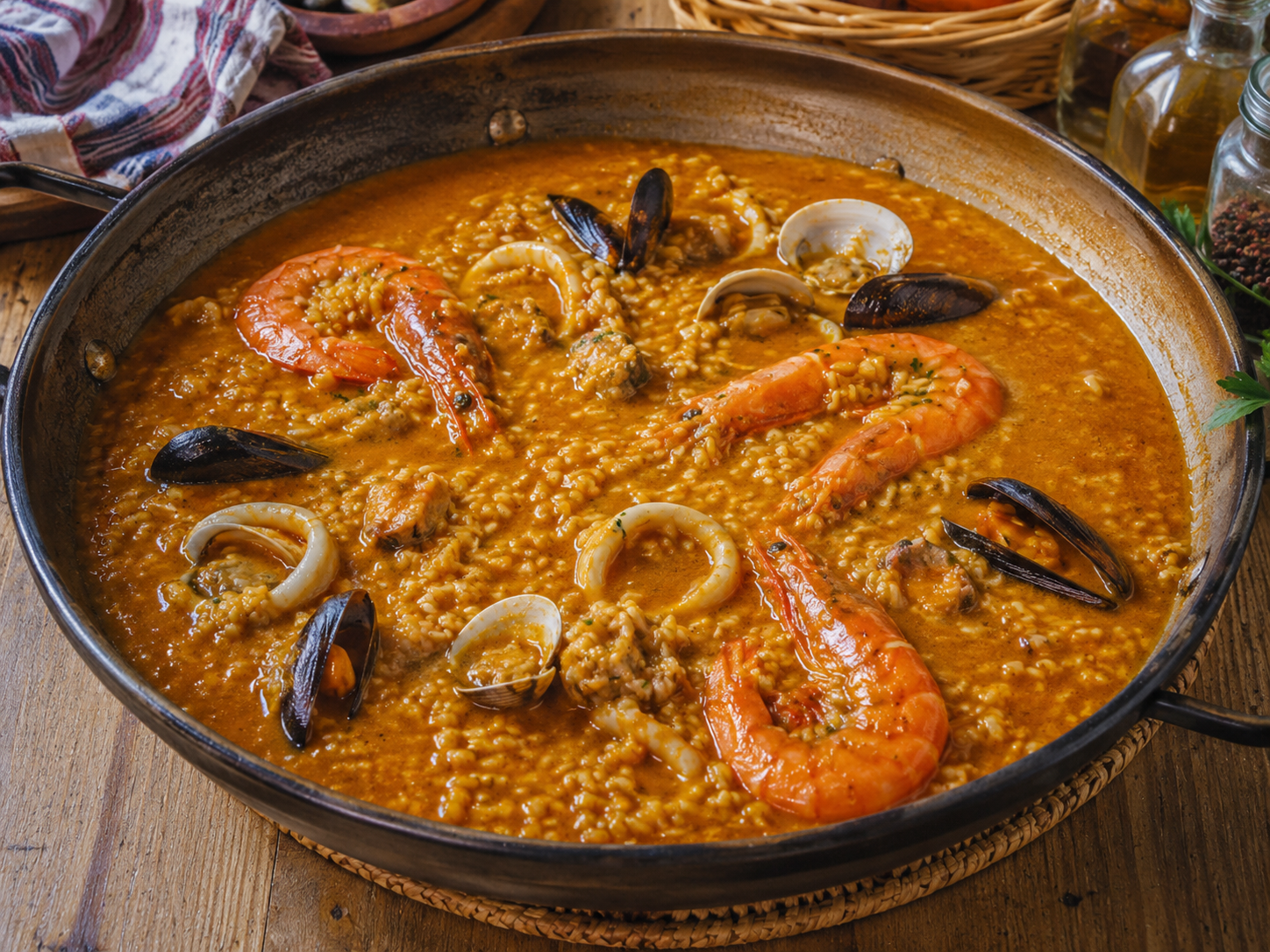
For a seafood paella, arroz a banda, arroz del senyoret or fideuá, the most recommended option is to use fumet.
The reason is simple: rice absorbs the liquid during cooking. If the fumet has good flavour, that flavour will pass directly into the grain. If the base is weak, the rice may turn out flat, even if the sofrito is well made.
A good fumet for paella can be made with white fish bones and strengthened with seafood heads and shells. Mantis shrimp, crabs or prawn heads add a very interesting flavour when used in balance.
For fideuás and seafood stews
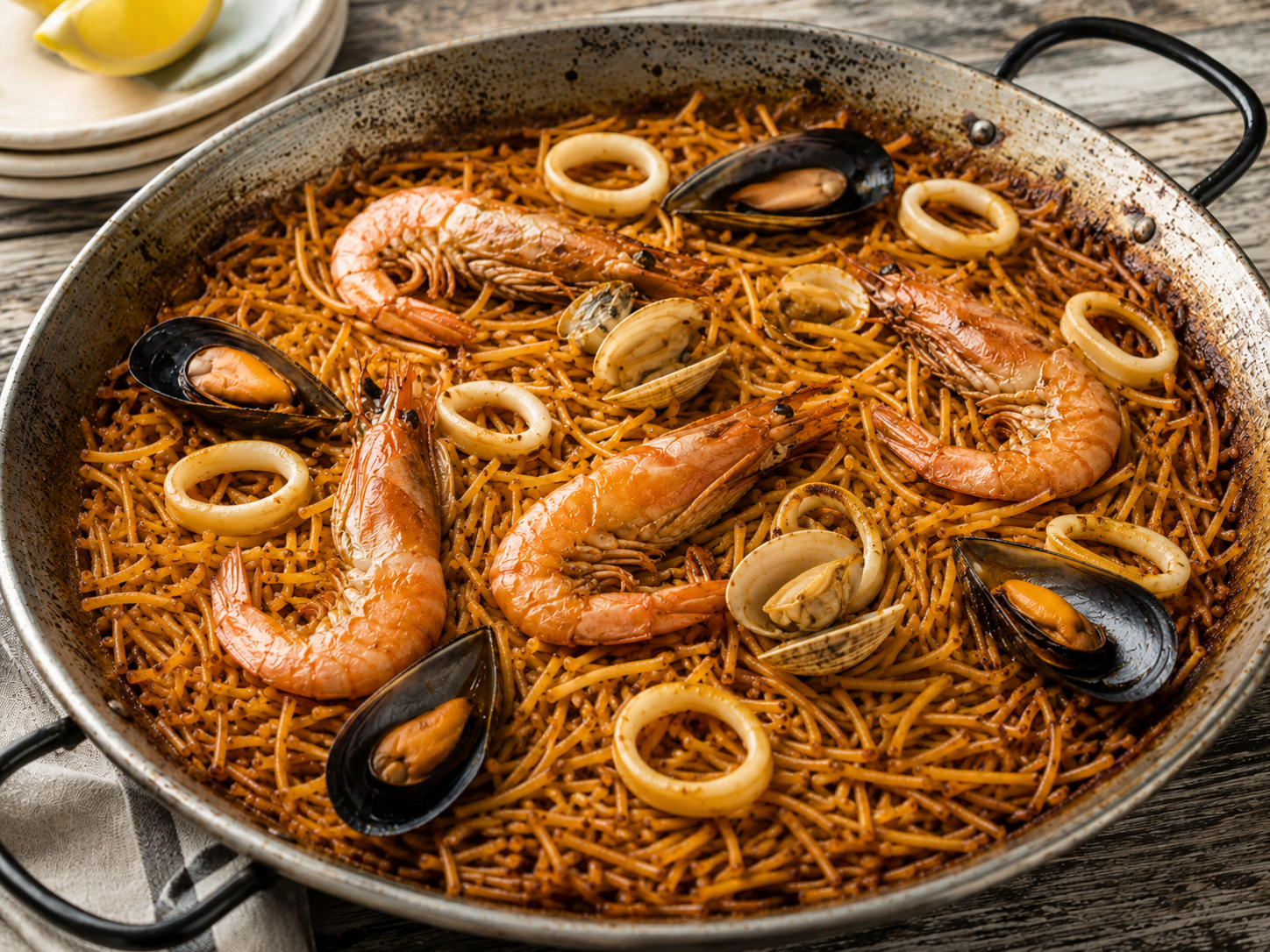
In fideuá, fumet is also essential. The noodles absorb the flavour of the base, so a tasty fumet adds intensity, aroma and depth to the final result.
In seafood stews, such as suquet or zarzuela, fumet helps bring together the flavours of the fish, seafood and sofrito, creating a rounder and tastier base.
For soups, creams and mild dishes
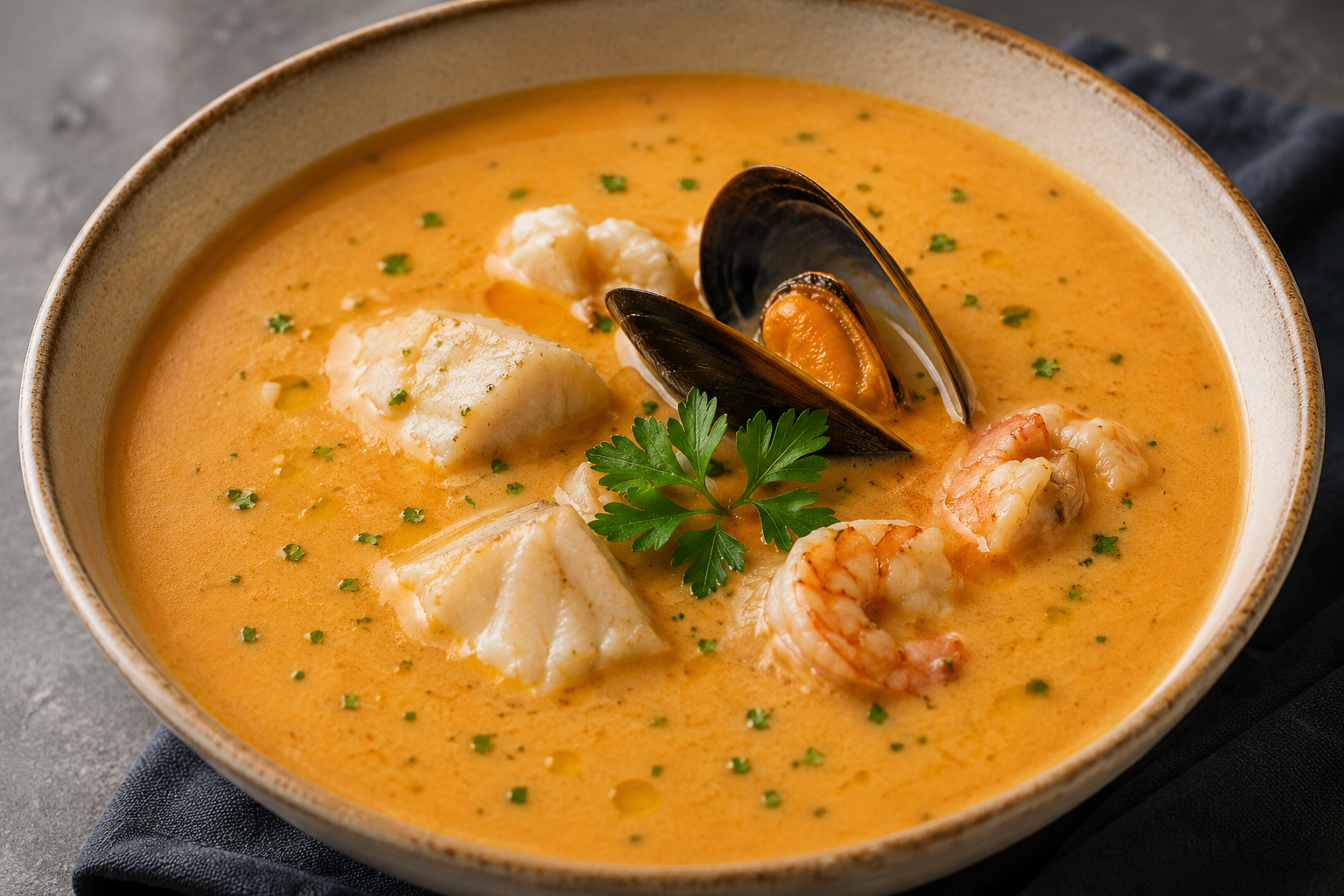
For fish soups, seafood creams or milder recipes, it may be better to use fish stock.
Stock allows you to obtain a tasty base without making the fish flavour too intense. It is also a good option when looking for a lighter preparation or when you want other ingredients to stand out.
How to make a good homemade fish fumet
Preparing fish fumet at home is simple, but it is important to take care of a few details. The key is choosing the fish well, cleaning the pieces correctly and controlling the cooking time.
Recommended ingredients
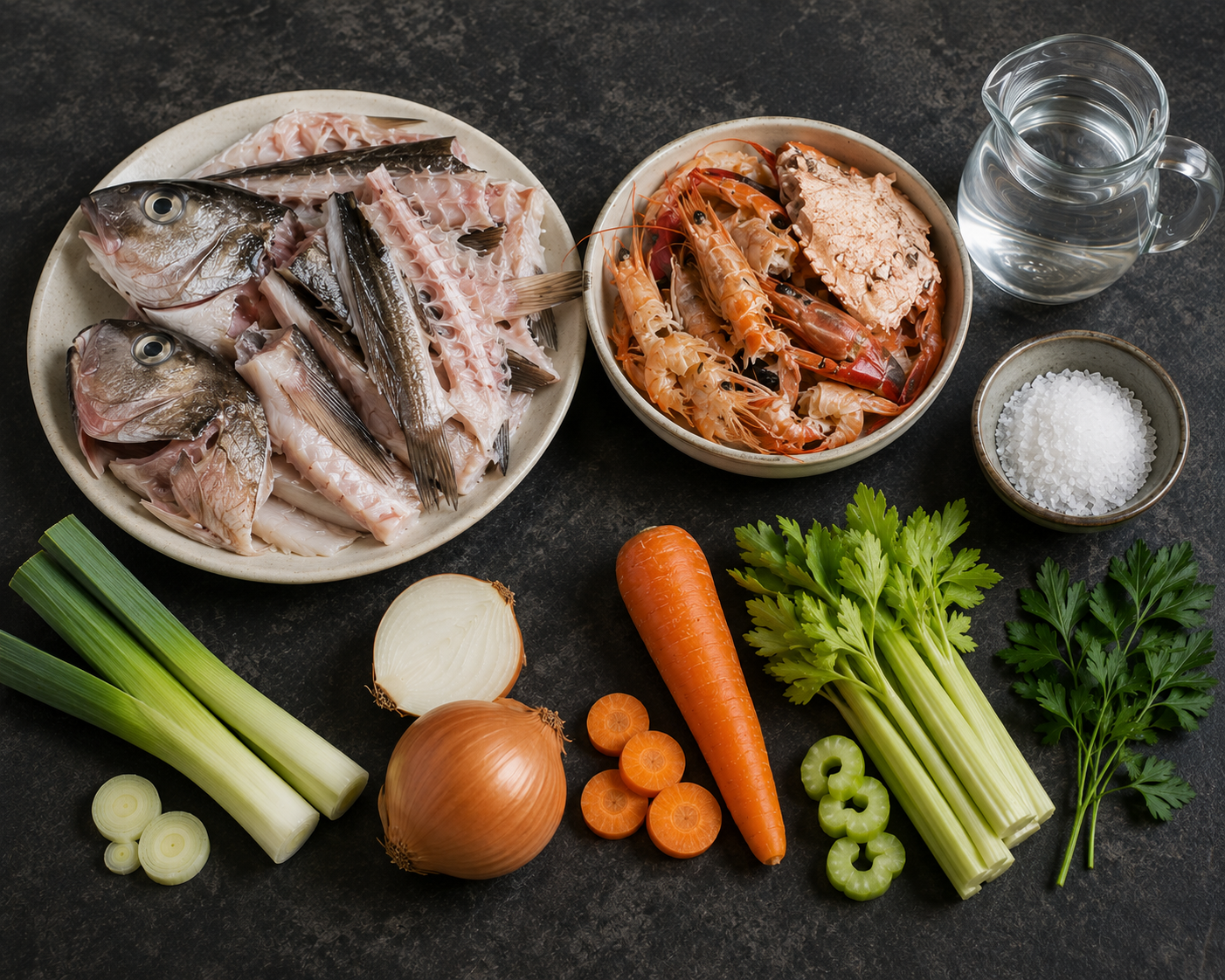
To make a good homemade fumet, you can use bones and heads of white fish such as monkfish, hake, gilthead bream, sea bass or redfish. You can also add small Mediterranean rock fish, which are widely used in Mediterranean cooking to prepare intensely flavoured bases.
If you want a more seafood-style fumet, you can add prawn heads and shells, langoustines, mantis shrimp or crabs. These ingredients add aroma and depth, especially in fumets intended for rice dishes and fideuás.
As for vegetables, it is best to use mild ingredients: leek, onion, carrot and celery. It is not advisable to overuse spices or seasonings, as the main flavour should come from the fish and seafood.
If you want more information about which fish are most suitable and which ones to avoid, we have that information in another blog post “best fish for fumet”, where we also explain which other ingredients work best.
Ideal cooking time
The ideal cooking time for fish fumet is usually between 20 and 30 minutes. It is important to cook it over a gentle heat, without boiling too strongly.
Excessive cooking can cause bitter flavours, especially if we use heads or bones. It can also make the fumet too cloudy or give it an unpleasant texture.
The recommended method is to start with cold water, slowly bring it to a gentle boil, remove the foam from the surface and cook it for just the right amount of time. Afterwards, strain it well to obtain a clean fumet.
Tips to enhance the flavour
To achieve a tastier fumet, you can lightly sauté the seafood heads and shells before adding the water. This step helps concentrate the flavour and adds a deeper aroma.
You can also gently crush the prawn or langoustine heads during the sautéing process to extract their juices. Then add the water and leave it to cook gently.
Another important tip is not to add too much salt at the beginning. If the fumet is going to be used for a paella, it is better to adjust the salt later, once the base has already been added to the rice.
How to make homemade fish stock
Homemade fish stock is a very useful preparation to always have on hand. It can be used in soups, creams, stews or even in milder rice dishes.
Basic ingredients
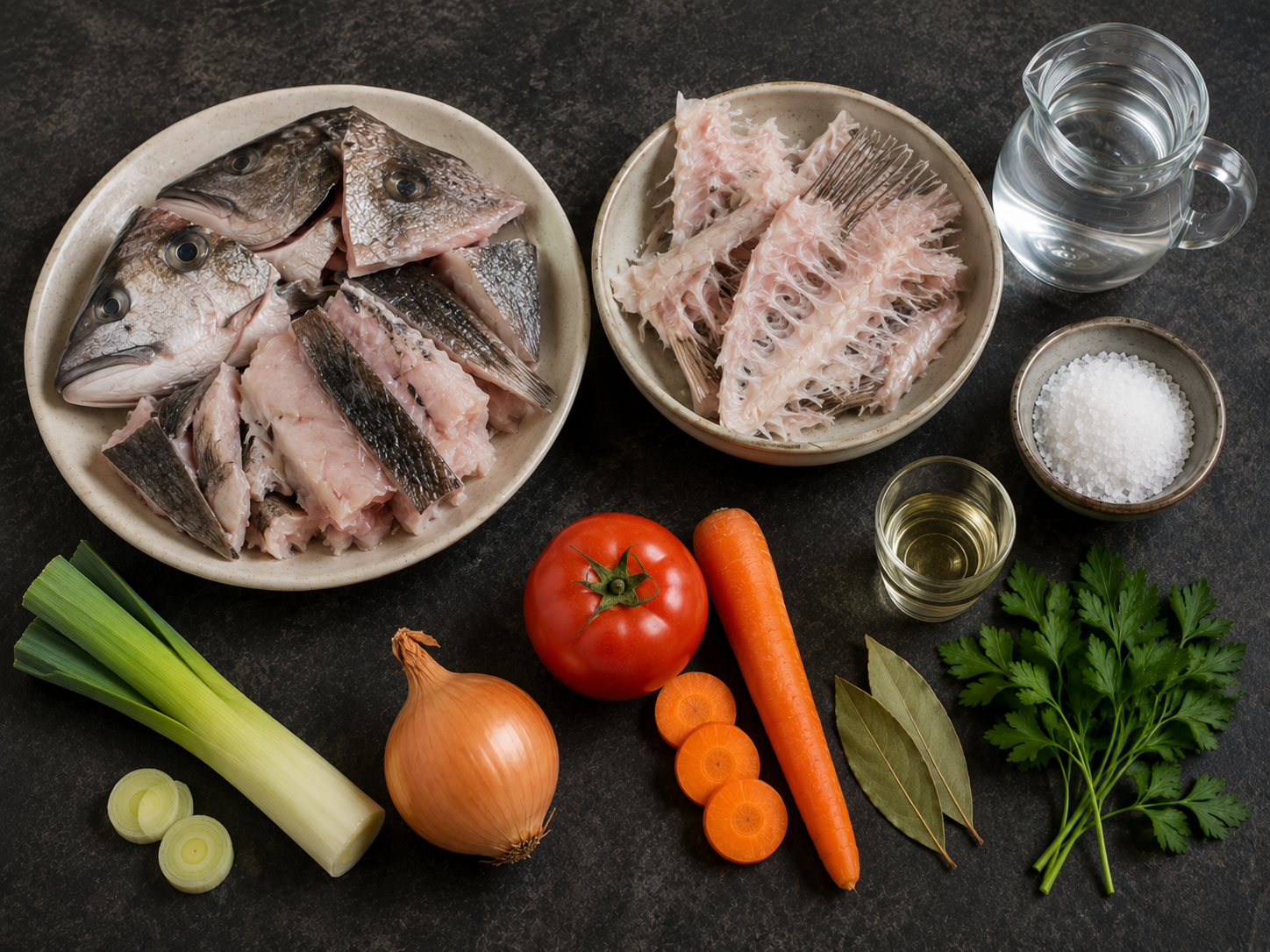
To prepare fish stock, you can use fish trimmings, clean bones, a fish head, onion, leek, carrot, ripe tomato, bay leaf, parsley, water and salt.
You can also add a little white wine if you want to give it a more aromatic touch, always allowing the alcohol to evaporate properly during cooking.
How to achieve a balanced stock
To achieve a balanced stock, the most important thing is not to overuse ingredients that are too strong. White fish are the best option, as they provide flavour without leaving a greasy or overly intense result.
The vegetables should complement the fish, not cover its flavour. Leek, onion and carrot add sweetness and help round out the stock.
It is also advisable to cook it over a gentle heat and strain it well at the end to remove bones, vegetables or impurities.
Common mistakes when preparing it
One of the most common mistakes is using too much oily fish. Fish such as sardines, mackerel, salmon, tuna or horse mackerel have a stronger and fattier flavour. If used in excess, they can leave the stock bitter or too overpowering.
Another common mistake is not cleaning the heads and bones properly. It is recommended to remove eyes, gills and traces of blood, as they can add unpleasant flavours.
It is also important not to cook the stock for too long. In fish stocks, more time does not always mean more flavour. Sometimes it means bitterness, cloudiness and loss of balance.
Is it better to use fumet or fish stock for paella?

To prepare a good seafood paella, the most recommended option is to use fumet.
Paella needs a base with enough flavour so that the rice becomes tasty from the inside. During cooking, the rice absorbs the liquid, so the quality of the fumet directly affects the final result.
A well-made fumet adds sea flavour, aroma and depth, without the need to overload the sofrito or overuse seasonings. That is why it is the best option for seafood paellas, arroz a banda, arroz del senyoret and fideuás.
Fish stock can also be used, especially if it is homemade and has good flavour. However, if we are looking for a more intense and seafood-style result, fumet is usually the most suitable option.
Tips for storing fish fumet and fish stock
Both fumet and fish stock can be prepared in advance. Once cooked, they should be strained well, left to cool and stored in sealed containers.
In the fridge, it is recommended to keep them for a maximum of 2 or 3 days. If they are not going to be used soon, it is best to freeze them in portions.
A good idea is to freeze them in 500 ml or 1 litre containers, depending on the amount you usually need for your recipes. You can also freeze small portions in ice cube trays to add them to sofritos, sauces or stews.
Before using fumet in a paella, it should be heated. Adding hot fumet helps maintain the cooking of the rice and prevents the boil from being interrupted.
Frequently asked questions about fumet and fish stock
Are fumet and fish stock the same?
Not exactly. Although both are made with fish, vegetables and water, fumet is usually more concentrated, aromatic and cooked for a shorter time. Fish stock can be milder, more substantial and used in a wider variety of recipes.
Can fumet be replaced with fish stock?
Yes, it can be replaced, but the result will not be exactly the same. If you prepare a paella or fideuá with fish stock instead of fumet, it can still turn out well, but it will usually have less flavour intensity.
If you only have fish stock and want to strengthen it, you can sauté some prawn or langoustine heads, add the stock and cook it for a few minutes so it gains flavour.
How long can homemade fumet be stored?
Homemade fumet can be kept in the fridge for 2 or 3 days, always in a sealed container and properly refrigerated.
If you want to store it for longer, it is best to freeze it in portions. This way, you can use only the amount you need for each paella, fideuá, sauce or stew.