

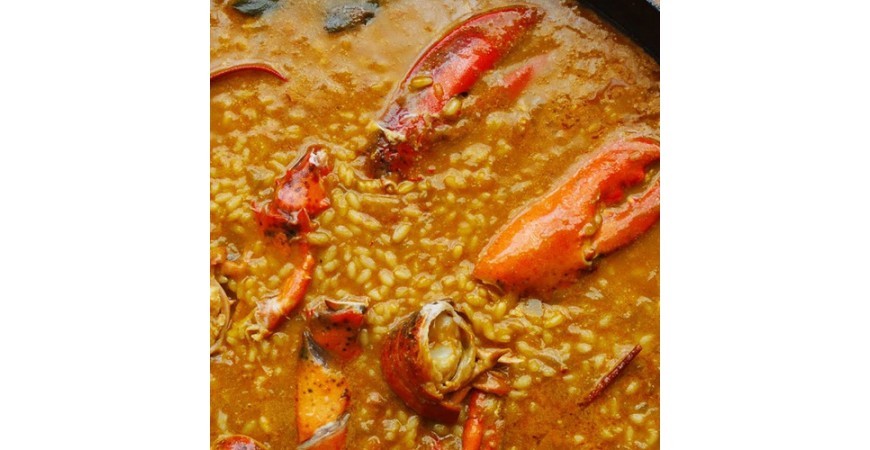
Want to make a delicious brothy rice dish with perfectly cooked grains and enough stock to enjoy every last bite?
The secret lies in three things: a good stock, a suitable rice variety and controlling evaporation during cooking. In this guide, we explain how to do it step by step.
.jpg)
Chef’s tip:
A good brothy rice dish should retain enough liquid around the grains without turning into a soup. Also remember that the rice will continue to absorb stock after you turn off the heat.
Knowing how to make brothy rice is not difficult, but it requires paying more attention to the liquid than when making a dry paella. The rice should be cooked and have a good texture, accompanied by a rich stock that is an essential part of the dish itself.
Using suitable cookware is also important. For this type of preparation, a pot or deep paella pan for brothy rice, as it allows you to use more liquid and reduces evaporation compared with a traditional paella pan.
At Original Paella, you can also find enamelled rice pots, particularly useful for preparing brothy rice, creamy rice, stews and other recipes that require more liquid to be retained.
What is brothy rice and how does it differ from creamy and dry rice?
A brothy rice dish is one that retains a generous amount of stock at the end of cooking. Unlike paella, where almost all the liquid disappears, the stock must still be present when the dish reaches the table.
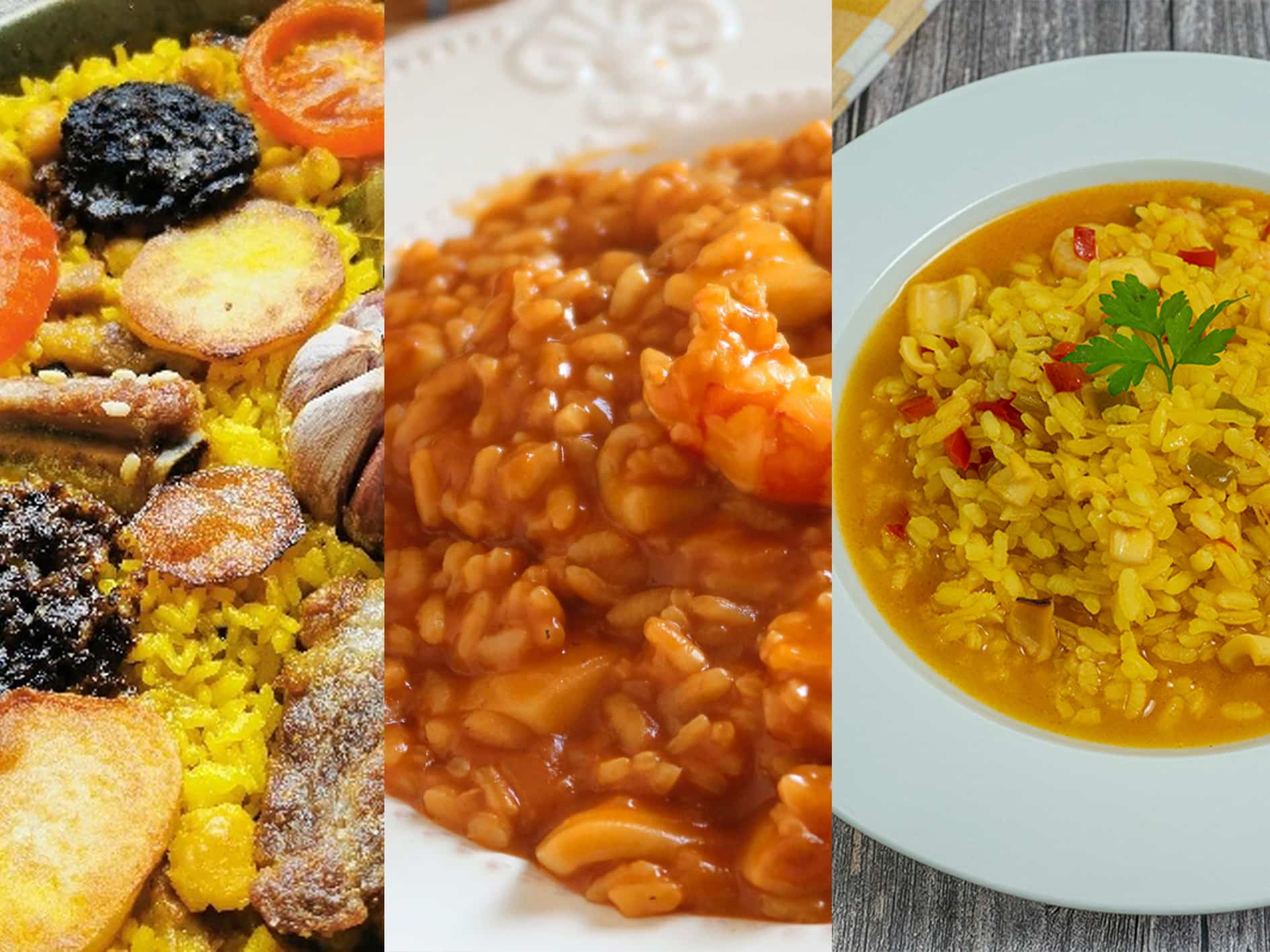
| Type of rice dish | Liquid remaining | Texture | Recommended cookware |
|---|---|---|---|
| Dry rice | No visible stock | Separate grains | Traditional paella pan |
| Creamy rice | Little stock | Creamy and cohesive | Deep paella pan or pot |
| Brothy rice | Plentiful | Cooked grains surrounded by stock | Pot for brothy rice |
Key point: brothy rice is not simply a paella with more water added. The stock is part of the finished dish and must be flavourful enough to enjoy alongside the rice.
Ingredients for a good brothy rice dish
The recipe can vary considerably depending on the ingredients chosen, but almost all good brothy rice dishes are built around four basic elements.
1. The rice
Choose a variety that absorbs flavour well and maintains its texture during cooking.
2. The stock
It can be made with meat, fish, seafood or vegetables. It should already be flavourful before the rice is added.
3. The sofrito
Tomatoes, garlic, onions, peppers, ñora peppers or other ingredients help create a concentrated, aromatic base.
4. Main ingredients
Chicken, seafood, fish, lobster, vegetables or mushrooms can become the main ingredient in your rice dish.
Which rice variety should you choose? Marisma is particularly suitable for brothy and creamy rice dishes, although varieties such as Bomba, Albufera or Maratelli can also be used. Find out more in our guide on which rice variety to use for each recipe.
Steps for making brothy rice at home
The process at a glance.
- Brown the ingredients.
- Prepare a concentrated sofrito.
- Add the stock.
- Add the rice.
- Control evaporation.
- Serve immediately.
Prepare the sofrito and stock base
Start by heating olive oil in a pot or deep paella pan. Brown the main ingredients when the recipe calls for it and set them aside if they need to be added again later.
Next, prepare the sofrito. The aim is to create a concentrated base, so the tomatoes and vegetables should be cooked slowly until they lose much of their water.
.jpg)
Chef’s tip:
Do not rush the sofrito. The better you reduce the tomatoes and concentrate the flavours, the richer the stock will be.
Once the sofrito is ready, add the stock and let the flavours blend before adding the rice.
For more information on this step, see our tips for enhancing the flavour of paella and rice dishes.
Add the rice and monitor cooking times
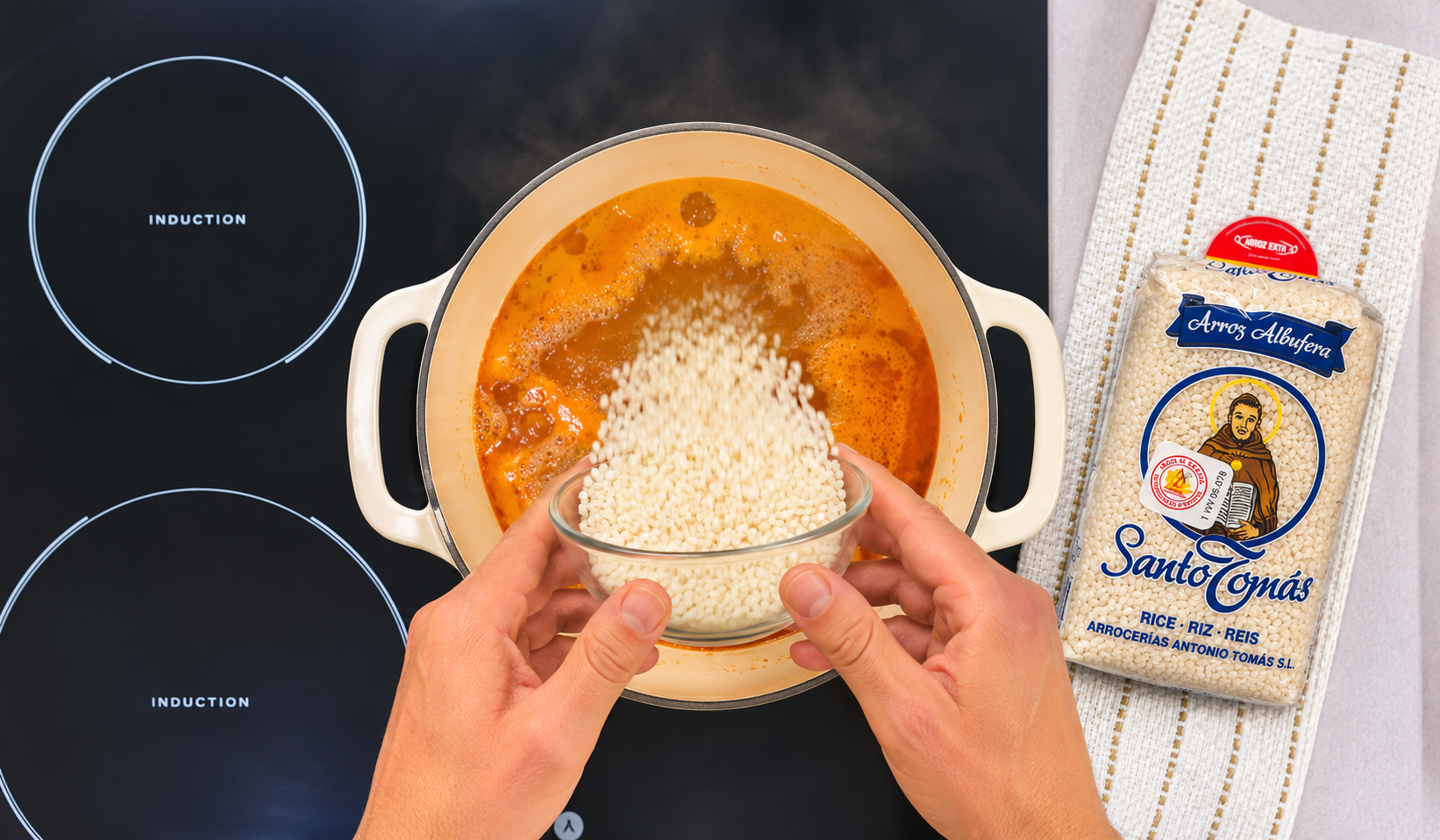
When the stock is boiling, add the rice and distribute it evenly throughout the pan.
Chef’s tip:
Add the rice when the stock is boiling. This prevents the temperature from dropping too much and ensures more even cooking from the very first minute.
First few minutes
Keep the heat relatively high to bring the stock back to the boil quickly.
Middle stage
Reduce the heat slightly and maintain steady, controlled cooking.
Final minutes
Pay particular attention to the amount of stock and the doneness of the rice.
Depending on the variety, rice usually takes around 15 to 18 minutes to cook. Always check the specific instructions for the rice you are using.
Adjust the amount of stock to achieve the ideal texture
This is probably the most important step when learning how to cook brothy rice.
During cooking, constantly check how much liquid remains. If you need to add more, always use hot stock to avoid interrupting the boil.
.jpg)
Chef’s tip:
If you need to adjust the amount of liquid during cooking, always add hot stock. Remember to leave the dish slightly brothier than you want to serve it, as the rice will continue to absorb liquid.
Most popular types of brothy rice
There are many types of brothy rice, but some combinations have become classics thanks to the richness of their stock and the ease with which the ingredients impart flavour to the rice.
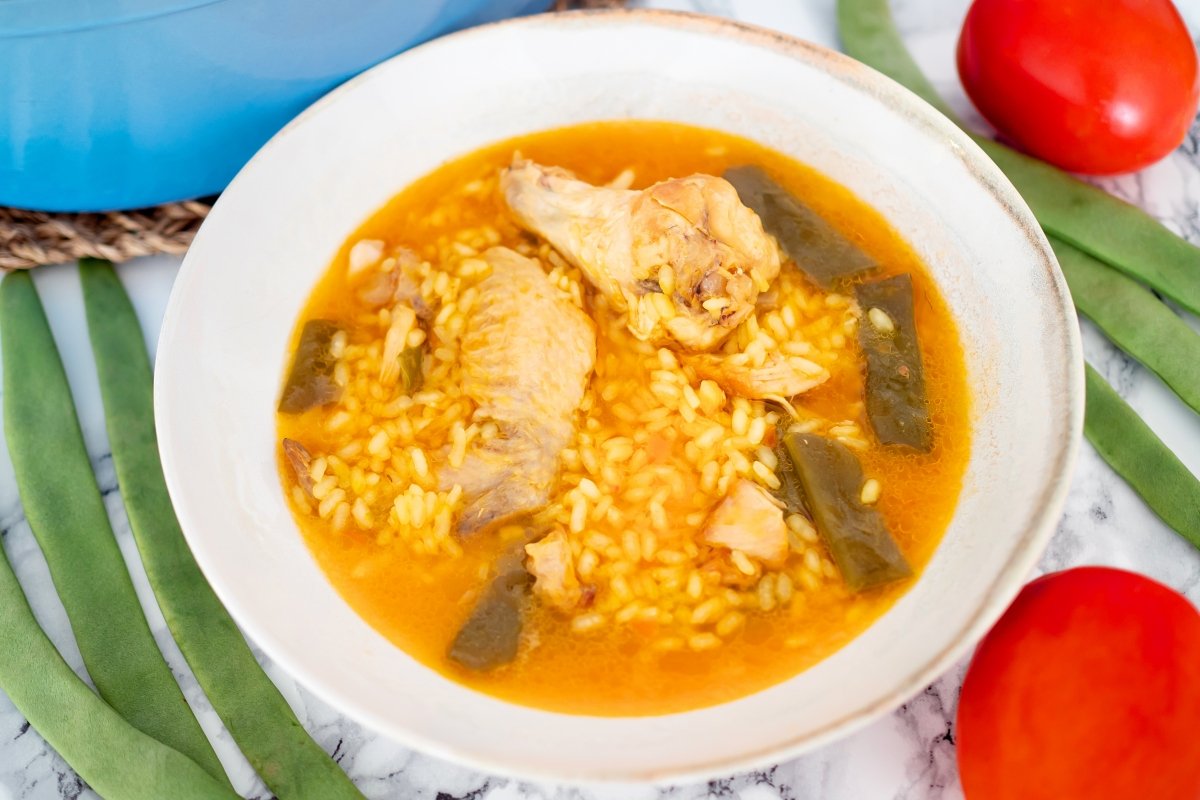
Brothy rice with chicken
For a good brothy chicken rice dish, we recommend browning the meat first. The caramelised juices left on the bottom of the pan will then blend into the sofrito and stock, enhancing the flavour of the dish.
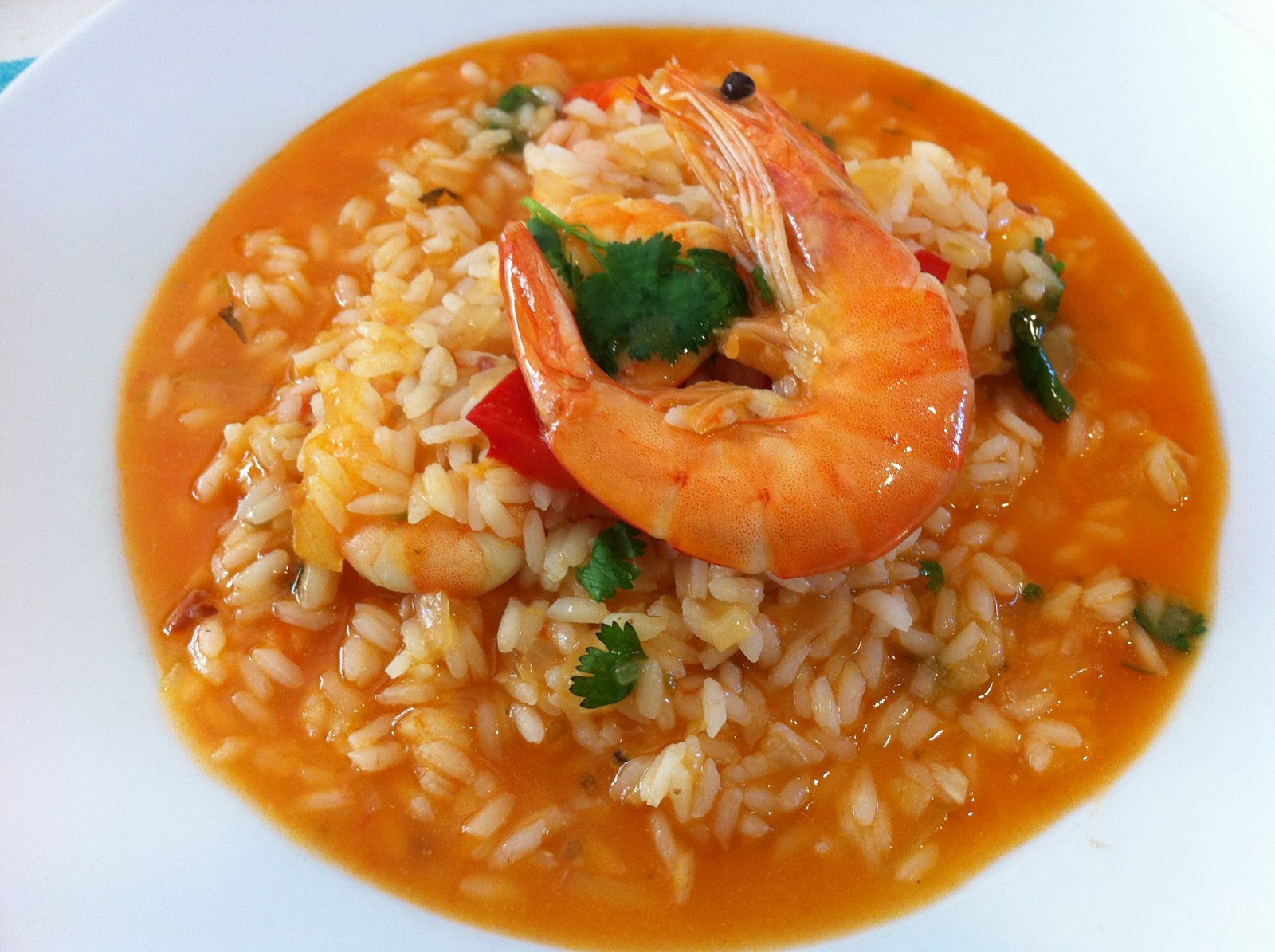
Brothy seafood rice
In seafood rice dishes, the fish stock (fumet) is even more important. You can make it with prawn heads and shells, fish and vegetables to create a much more flavourful base.
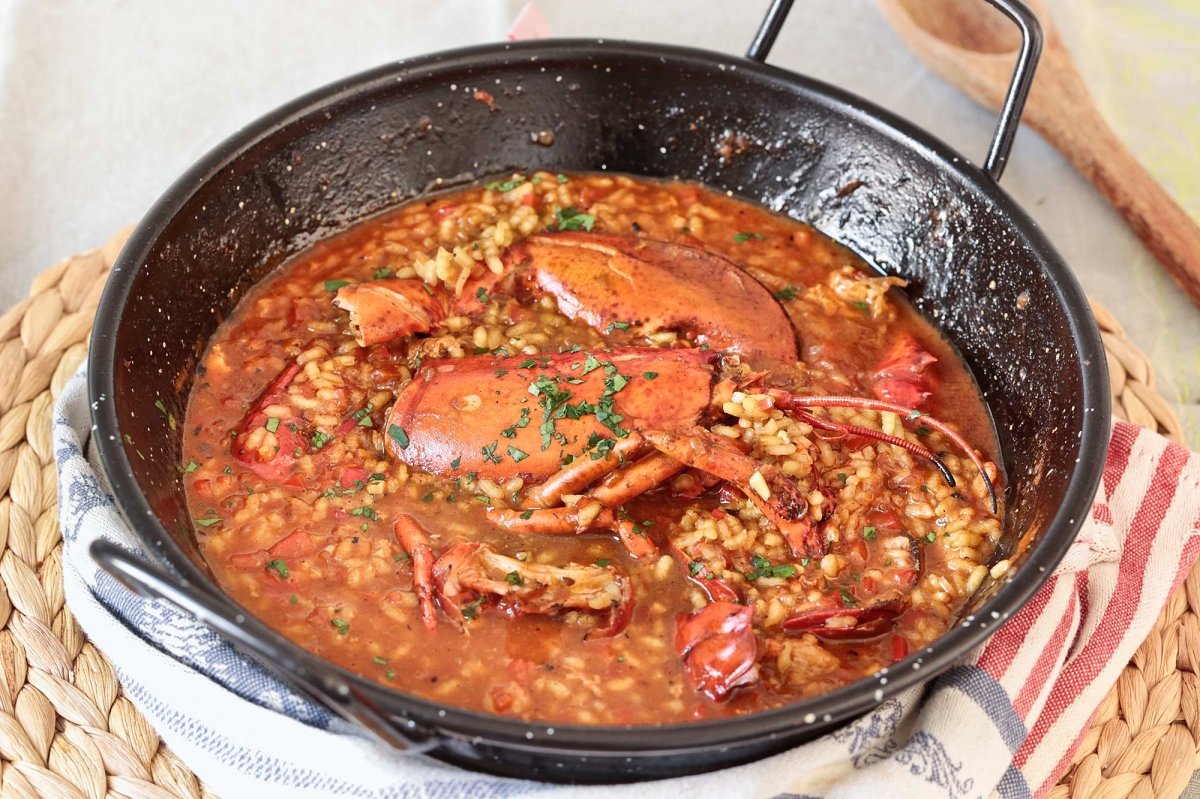
Brothy rice with lobster
Lobster adds plenty of flavour directly to the stock. You can sear it briefly in oil, remove it and prepare the sofrito in the same pan to make the most of its juices from the start.
Which cookware should you use to make brothy rice?
Although brothy rice can technically be prepared in different types of cookware, a traditional paella pan promotes high evaporation because it is shallow.
.jpg)
Chef’s tip:
A pot or deep paella pan makes preparing brothy rice much easier. It retains liquid better and gives you more control over cooking.
Choose your cookware according to the type of rice dish
- Dry rice → traditional paella pan
- Creamy rice → deep paella pan or shallow pot
- Brothy rice → pot or deep paella pan
- Brothy seafood rice → enamelled rice pot
Common mistakes when cooking brothy rice
Too little stock
The liquid disappears before cooking is complete, leaving you with an almost dry rice dish.
Too much stock
Brothy rice should retain liquid, but should not turn into a thin, flavourless soup.
Excessive heat
This causes the liquid to evaporate too quickly and makes it difficult to control the final consistency.
Overcooking
The grains lose their texture and continue absorbing liquid even after the heat is turned off.
Choosing the wrong rice
An unsuitable variety can quickly lose its structure during prolonged cooking.
Waiting too long
The rice continues to absorb stock and may lose its characteristic texture before reaching the table.
Find more recommendations in our article on the most common mistakes when cooking paella, many of which also apply to other rice recipes.
Tips for making more flavourful brothy rice
- Brown the meat and seafood thoroughly before preparing the sofrito.
- Reduce the tomatoes properly to concentrate their flavour.
- Use a flavourful stock that suits the main ingredient.
- Always add hot stock if you need to adjust the amount during cooking.
- Choose a suitable rice variety and follow its cooking times.
- Check the salt before adding the rice, especially if you are using concentrated stock.
- Serve immediately once the rice is ready.
In our guide on tips for making paella and rice dishes more flavourful, you will find other techniques that can also be applied to brothy rice.
How to make perfect brothy rice: quick summary
| Cookware | Pot or deep paella pan |
|---|---|
| Rice | A round-grain variety suitable for brothy rice |
| Stock | Flavourful and plentiful |
| Cooking | Approximately 15–18 minutes depending on the variety |
| Final consistency | Cooked grains with enough stock around them |
| Resting | Very brief: serve almost immediately |
Frequently asked questions about making brothy rice
How much stock does brothy rice need?
It needs considerably more liquid than dry rice. The exact amount depends on the rice variety, the cookware, the heat level and evaporation. It is therefore advisable to keep a little extra hot stock available during cooking.
Which rice is best for making brothy rice?
Marisma is particularly suitable for brothy rice dishes, although Bomba, Albufera or Maratelli can also be used. Compare their characteristics in our guide on types of rice for paella and other rice dishes.
What is the difference between brothy rice and creamy rice?
Creamy rice retains little liquid and has a creamy, cohesive texture. Brothy rice retains a considerable amount of stock at the end of cooking and is usually eaten with a spoon.
Can you make brothy rice in a paella pan?
Yes, although a traditional paella pan promotes high evaporation because it is shallow. For this reason, it is usually more practical to use a pot or deep paella pan for brothy rice.
Why does my brothy rice turn out dry?
The most common causes are using too little stock, keeping the heat too high, using cookware that is too wide or letting the rice rest too long after cooking.
Should brothy rice be left to rest?
Resting time should be minimal. The rice continues to absorb stock after the heat is turned off, so we recommend serving it almost immediately.