
The difference between paella and Alicante-style rice: what really changes
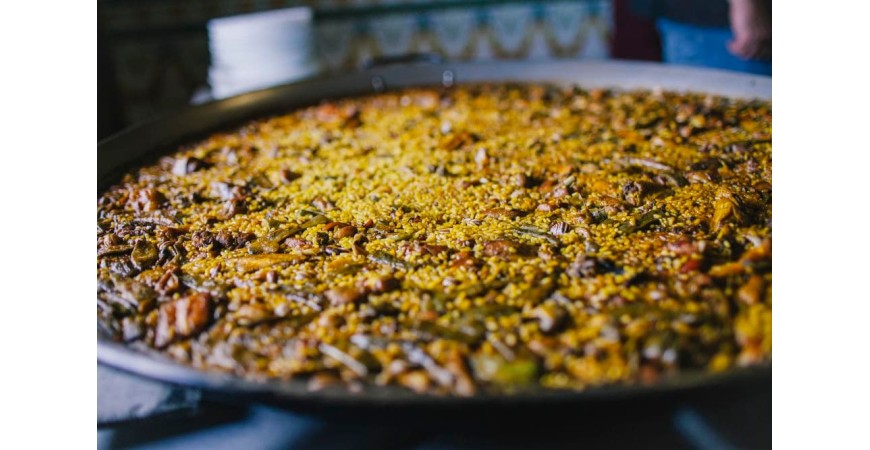
“In Alicante we don’t make paella, we make rice dishes”.
This phrase sums up quite well one of the most interesting gastronomic differences within the Valencian Community.
It is not simply a rivalry between Valencia and Alicante, nor a question of deciding who cooks rice better. Behind this statement lies a different way of understanding the same ingredient and, above all, of building a gastronomic identity around it.
In fact, the expression is not a recent invention by a chef. César Anca, president of the Alicante Restaurant Association, used it precisely to explain that Alicante has its own rice culture: “Many people still believe that throughout eastern Spain we only make paellas, but no, in Alicante we make rice dishes”. Alicante City Council itself has also used this idea to promote the Alicante City of Rice project.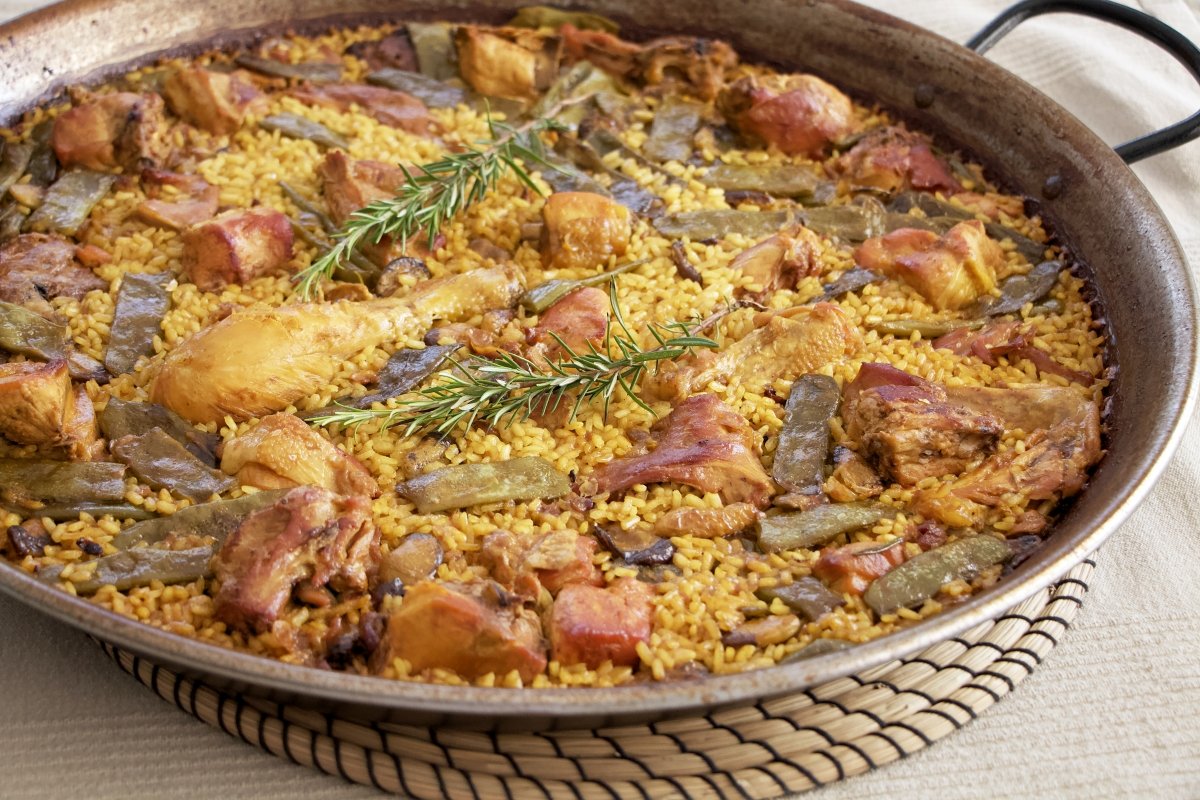
Quique Dacosta has also helped to spread awareness of this distinction. According to the chef, Valencian paella follows recognisable ingredients and a recognisable method of preparation, whereas in Alicante, a rice dish cooked in a paella pan simply continues to be considered a rice dish. The processes can be equally rigorous, but there is much greater freedom when choosing the ingredients.
This difference in terminology is important because it helps us understand what we are actually going to compare in this article. On the one hand, the traditional Valencian paella, a specific recipe with a clearly defined identity. On the other hand, Alicante-style dry rice dishes, which encompass different recipes and combinations of ingredients depending on whether we are on the coast or in the inland regions.
And this is precisely where the most interesting differences begin.
What is paella and what defines it?
Origins and history of Valencian paella
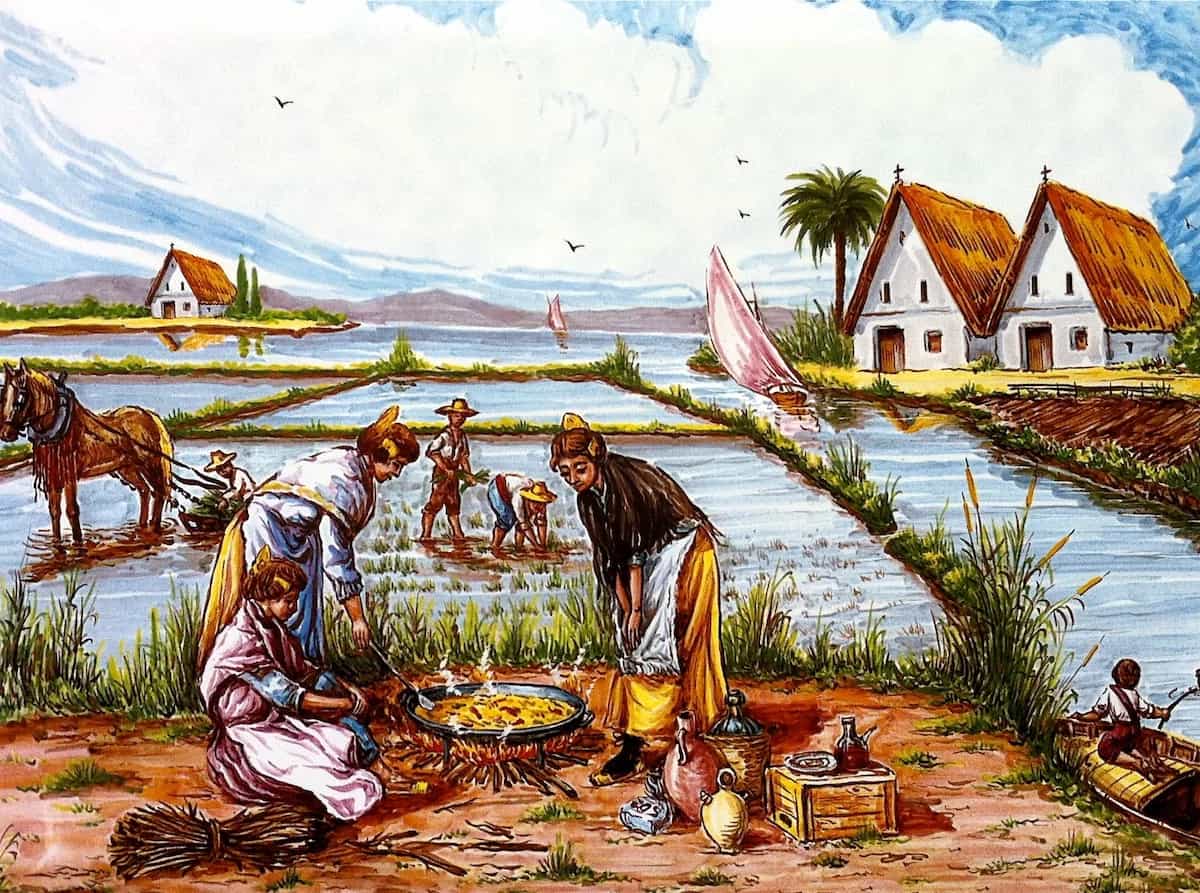
Valencian paella is closely linked to the market gardens of Valencia and the surroundings of l'Albufera, where rice cultivation and the products available locally gave rise to a dish based mainly on ingredients from the surrounding area.
Its origins are connected with practical rural cooking: rice, vegetables from the market garden and meats that could be found locally. Over time, this home-style preparation became established and eventually developed into one of the great gastronomic symbols of Valencia.
Therefore, when we specifically talk about Valencian paella, we are not simply talking about any rice dish prepared in a paella pan. We are referring to a recognisable recipe and a particular way of cooking and sharing rice.
.jpg)
Typical ingredients of traditional Valencian paella
The recipe may present slight variations depending on the region or even the season, but there is a core group of ingredients clearly associated with Valencian paella:
- Rice.
- Chicken.
- Rabbit.
- Flat green beans.
- Garrofón or Valencian butter beans.
- Tomato.
- Olive oil.
- Paprika.
- Saffron.
- Water.
- Salt.
Depending on the area, other traditional ingredients may also appear, such as snails, rosemary, artichokes or even duck. In other words, there is a certain degree of variation within the tradition itself, but always around a structure that is often relatively fixed and allows little variation.
This marks the first important difference with Alicante: Valencian paella builds and consolidates its recipe around a particular region; Alicante rice dishes start from a collection of recipes that are adapted depending on the area.
The cooking method: fire, socarrat and technique
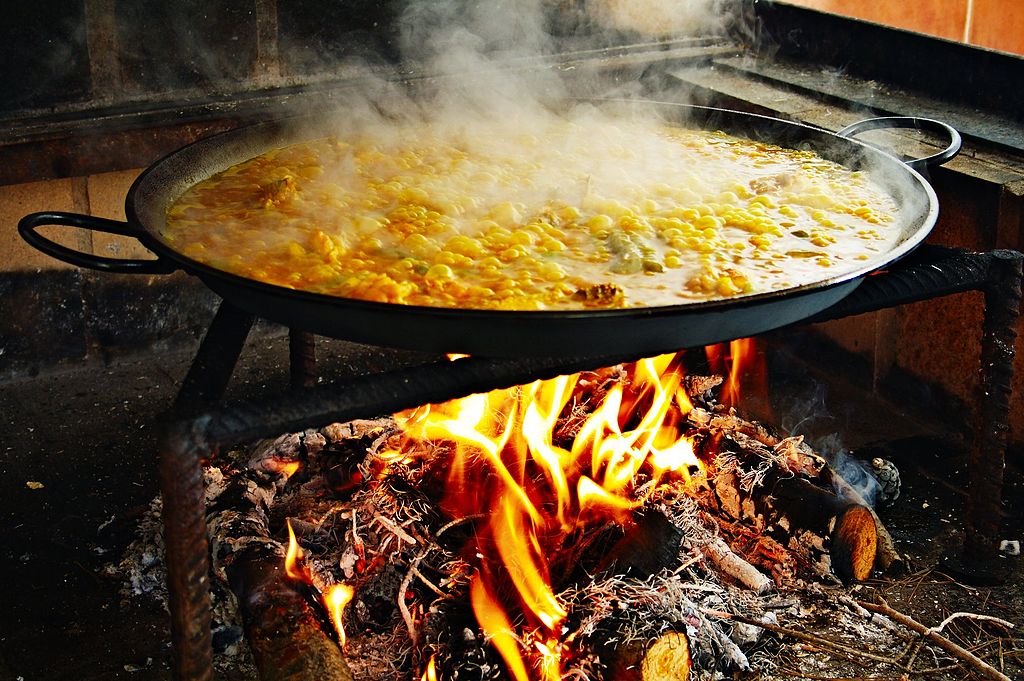
In traditional Valencian paella, the cooking vessel is just as important as the ingredients. The paella pan is wide and relatively shallow, allowing the rice to be distributed in a thin layer and encouraging the stock to evaporate quickly and evenly.
Controlling the fire is fundamental in Valencian paella and, traditionally, orange wood has been one of the most widely used fuels because of its ability to maintain steady combustion, produce long-lasting embers and allow the intensity of the fire to be adjusted during cooking. This control helps the rice absorb the stock evenly until it becomes dry and loose and, during the final stage, allows the intensity of the fire to be increased to encourage the formation of socarrat, the thin layer of toasted and caramelised rice that forms in contact with the bottom of the paella pan.
However, an important point should be made here: socarrat is not exclusive to Valencian paella. It can also be deliberately sought in Alicante-style dry rice dishes, so on its own it cannot be used to distinguish between the two traditions.
What is Alicante-style rice and what does it contain?
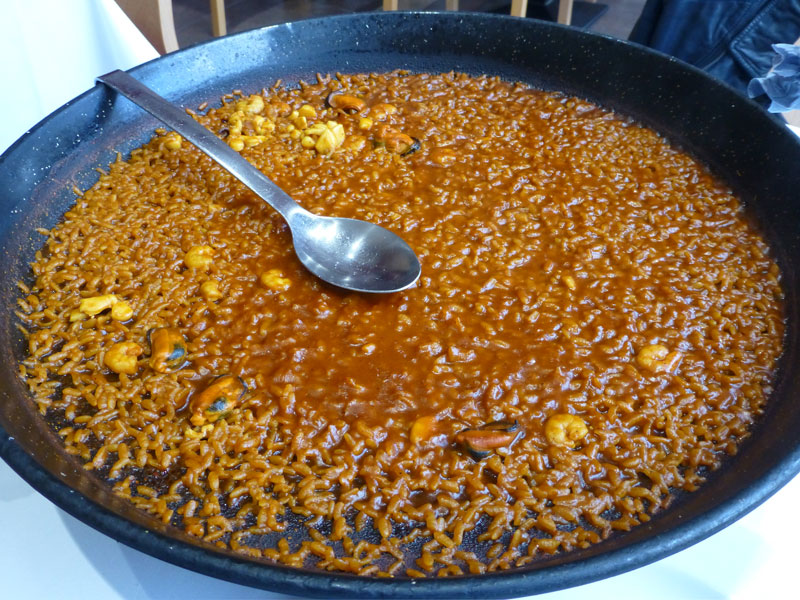
Origins and evolution of Alicante-style rice
Talking about “Alicante-style rice” is more complicated because there is no single recipe that can be defined as such.
Alicante has developed an entire repertoire around dry rice dishes in which the Mediterranean coast and inland regions constantly meet. There are fish and seafood rice dishes, meat rice dishes, vegetable rice dishes and countless combinations that change depending on the town, the products available and the traditions of each area.
The official Alicante City of Rice project reflects precisely this diversity, highlighting the combination of rice with products from both the sea and the mountains as one of the essential elements of Alicante cuisine.
This is why it can be misleading to compare one Valencian paella recipe with a supposed “Alicante rice recipe”. The former is a specific dish; the latter expression encompasses an entire family of dry rice dishes with their own personalities.
The most common ingredients in Alicante-style rice dishes
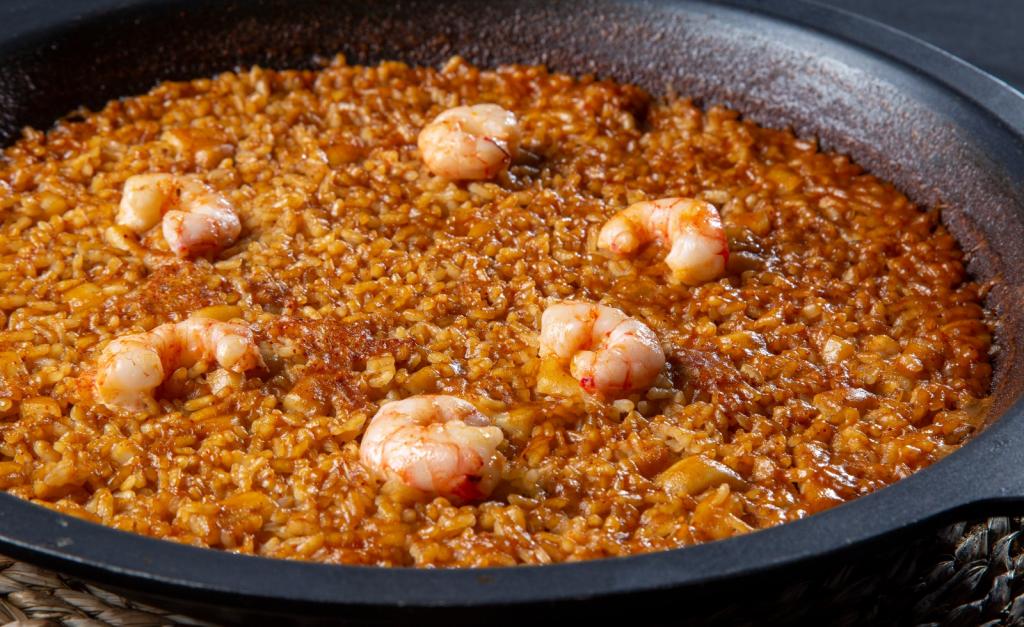
There is no fixed list of ingredients, but certain products and preparations appear time and again, particularly in rice dishes from the coast:
- Salmorreta.
- Saffron.
- Stocks or fumets made with rockfish and small assorted fish.
- Red prawns and other seafood.
- Cuttlefish, squid, monkfish, red mullet and other Mediterranean fish.
One of the most representative elements is salmorreta, traditionally made from ñora peppers, garlic and tomato, which are fried and then crushed or ground. Its purpose is not simply to provide colour: it concentrates toasted flavours and gives the rice an intensely flavoured base.
The Alicante Tourism Board specifically highlights ñora pepper, salmorreta and fish stocks as some of the elements that give Alicante rice dishes their distinctive character.
However, identifying every Alicante rice dish with salmorreta and fish would simply be making the opposite mistake. We only need to travel towards the inland regions to find a completely different tradition.
One of the best examples is rice with rabbit and snails, particularly associated with towns in the Medio Vinalopó area such as Pinoso, Monóvar, La Romana and Novelda. Here we find ingredients such as rabbit, snails, tomato, pepper and saffron, while another element takes on particular importance: vine-shoot fire.
Therefore, while the Alicante coast allows us to talk about ñora peppers, salmorreta and seafood stocks, the inland regions introduce meat, snails and products from dry farming areas. This ability to adapt rice to the territory is probably one of the characteristics that best defines Alicante cuisine.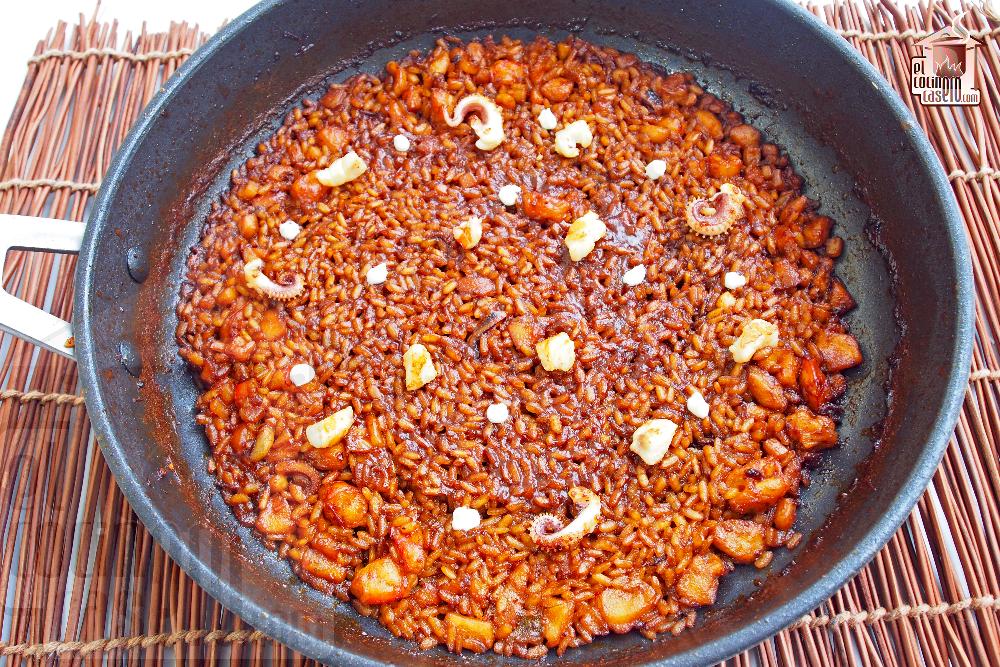
Main differences between paella and Alicante-style rice dishes
At this point, the fundamental difference becomes easier to understand: Valencian paella is a recipe with a clearly defined identity, whereas Alicante-style rice represents a gastronomic tradition encompassing numerous dry rice recipes.
| Characteristic | Valencian paella | Alicante-style dry rice dishes |
|---|---|---|
| Concept | A specific traditional recipe | A family of rice recipes |
| Ingredients | Chicken, rabbit, flat green beans, garrofón, tomato... | Fish, seafood, meat, vegetables, ñora pepper, salmorreta... |
| Result | Dry rice spread in a thin layer | Dry rice with different characteristics depending on the area |
| Stock preparation | Usually developed during the cooking process itself | Pre-prepared stocks are frequently used, particularly for seafood rice dishes |
| Traditional firewood | Orange wood | Vine shoots are particularly characteristic of some inland rice dishes |
| Identity | A recognisable traditional recipe | A repertoire based on local products and territory |
Differences in ingredients
In a traditional Valencian paella, produce from the market garden and meat are what build the flavour: chicken, rabbit, flat green beans, garrofón, tomato, paprika and saffron.
In Alicante, we find a much broader palette. The proximity of the Mediterranean has given rise to rice dishes in which fish stocks, small assorted fish, ñora peppers, salmorreta, prawns, cuttlefish and monkfish play a major role. Inland, on the other hand, rabbit, snails, vegetables and other products associated with agricultural and dry-farming landscapes become more common.
For this reason, it would not be accurate to say that Alicante-style rice “contains” one particular ingredient. It is more precise to say that Alicante-style rice adapts its ingredients to the products and landscape of each area.
Differences in cooking techniques
Here we find probably one of the most interesting differences between the two traditions.
In Valencian paella, the stock is usually created directly in the paella pan. First, the meat and vegetables are fried, followed by the tomato and then the water, allowing all the ingredients to boil before the rice is added. In other words, the stock in which the rice will cook is prepared directly in the paella pan.
In many Alicante-style rice dishes, particularly seafood varieties, the process is usually different. It is common to prepare a concentrated fumet in advance using assorted small fish, rockfish, shellfish and other ingredients, and then use it to cook the rice.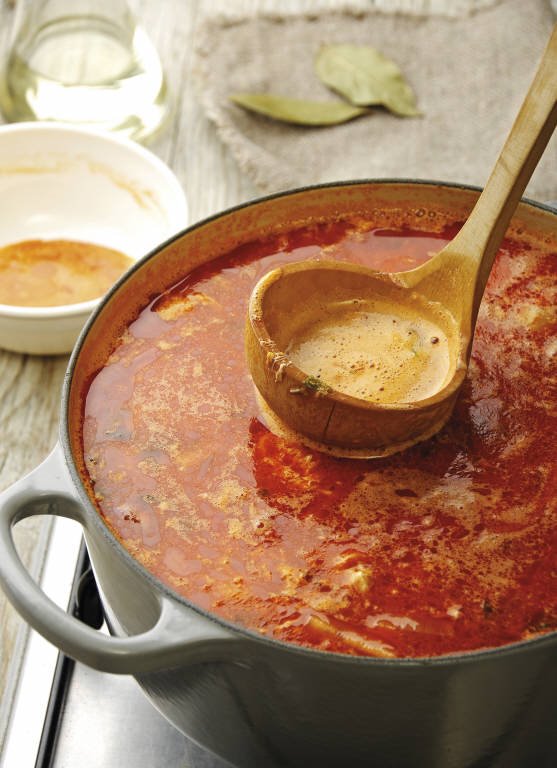
Salmorreta can also be added to this stock, creating a very high concentration of flavour even before the rice begins to cook.
This approach to preparing the stock represents an important difference: in traditional Valencian paella, much of the flavour develops inside the paella pan itself, whereas in many Alicante rice dishes part of the work begins much earlier, with the preparation of the stock that will later be absorbed by the rice.
This reminds me of a conversation I once had with a rice master in Alicante, right there in the restaurant kitchen. He let me taste one of the seafood and fish stocks they prepared. It had a flavour that embraced the palate and possessed a very distinctive touch. When I asked him about the ingredients, he mentioned the typical ones you would expect in a seafood stock: rockfish, seafood and so on. But I, being accustomed to Valencian cooking, where the sea does not usually meet the mountains, was surprised when he revealed the secret ingredient: beef bones.
Those beef bones provided a subtle touch that rounded off the seafood flavour and completed it. They also gave the stock a darker, more browned colour and an intense aroma, resulting in a carefully prepared, high-quality stock. This is one of the great characteristics of Alicante-style rice dishes: there are few barriers when it comes to incorporating ingredients..jpg)
There is also another particularly interesting difference in the traditional use of firewood.
In Valencia, the use of orange wood is deeply rooted. It is a type of wood that provides a relatively steady fire, produces good embers and allows the cook to adjust the intensity throughout the different stages of preparation. Its aromatic character also forms part of the identity of wood-fired paella.
In some inland areas of Alicante, however, one of the main protagonists is the vine shoot: the dry remains left after pruning grapevines.
Rice with rabbit and snails cooked over vine shoots uses a very different type of fire. Vine shoots ignite quickly and produce a lively, intense flame that can spread beneath the surface of the paella pan and reach its sides, surrounding the entire paella pan with fire.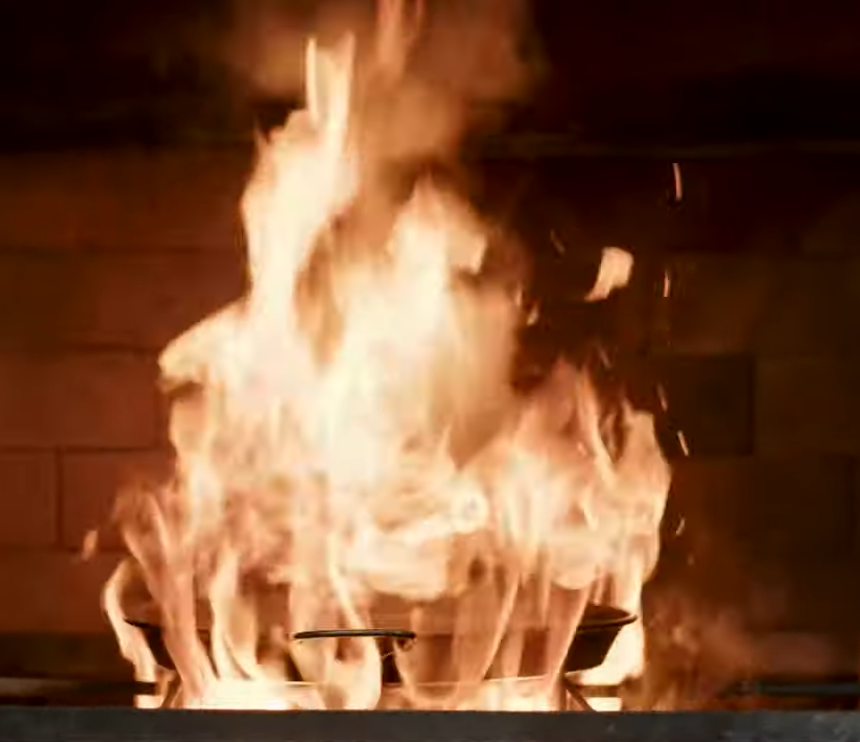
This requires the cook to carefully control both the amount of vine shoots used and the moment when they are added to the fire. Unlike wood that can maintain combustion for a longer period, vine shoots provide a great deal of intensity in a short amount of time.
Traditionally, this intense flame is also considered to contribute to the characteristic aroma of rabbit and snail rice prepared in this way, turning the fuel itself into another element of the dish's personality.
We should not oversimplify this by saying that “the flame enters the rice”, but there is a clear difference in the behaviour of the fire: orange wood allows a steadier fire to be maintained and adjusted, whereas vine shoots produce a fast, lively and intense fire that requires a different way of working with the paella pan.
They are two different ways of mastering one of the invisible ingredients of any great rice dish: fire.
Cultural and regional differences
This may well be the most important difference of all.
In Valencia, paella has ultimately become an identity-defining dish with its own name. It represents not only a recipe, but also a social ritual: cooking it around the fire, sharing it and bringing family and friends together around the paella pan.
In Alicante, this identity has developed differently. The sense of pride revolves less around a single recipe and more around the ability to prepare different rice dishes using the characteristic products of each territory.
This is where the insistence on calling things by their proper names comes from: arroz a banda, arroz del senyoret, black rice, rice with rabbit and snails, rice with monkfish and red prawns...
They are not versions of the same paella. They are rice dishes with their own recipes and personalities.
The historic Dársena restaurant in Alicante helps to illustrate this philosophy. Founded in 1961, at the beginning of the 1980s it strengthened its specialisation in rice dishes and developed its own concept as a dedicated rice restaurant. Today, rice continues to form the central focus of its gastronomic offering.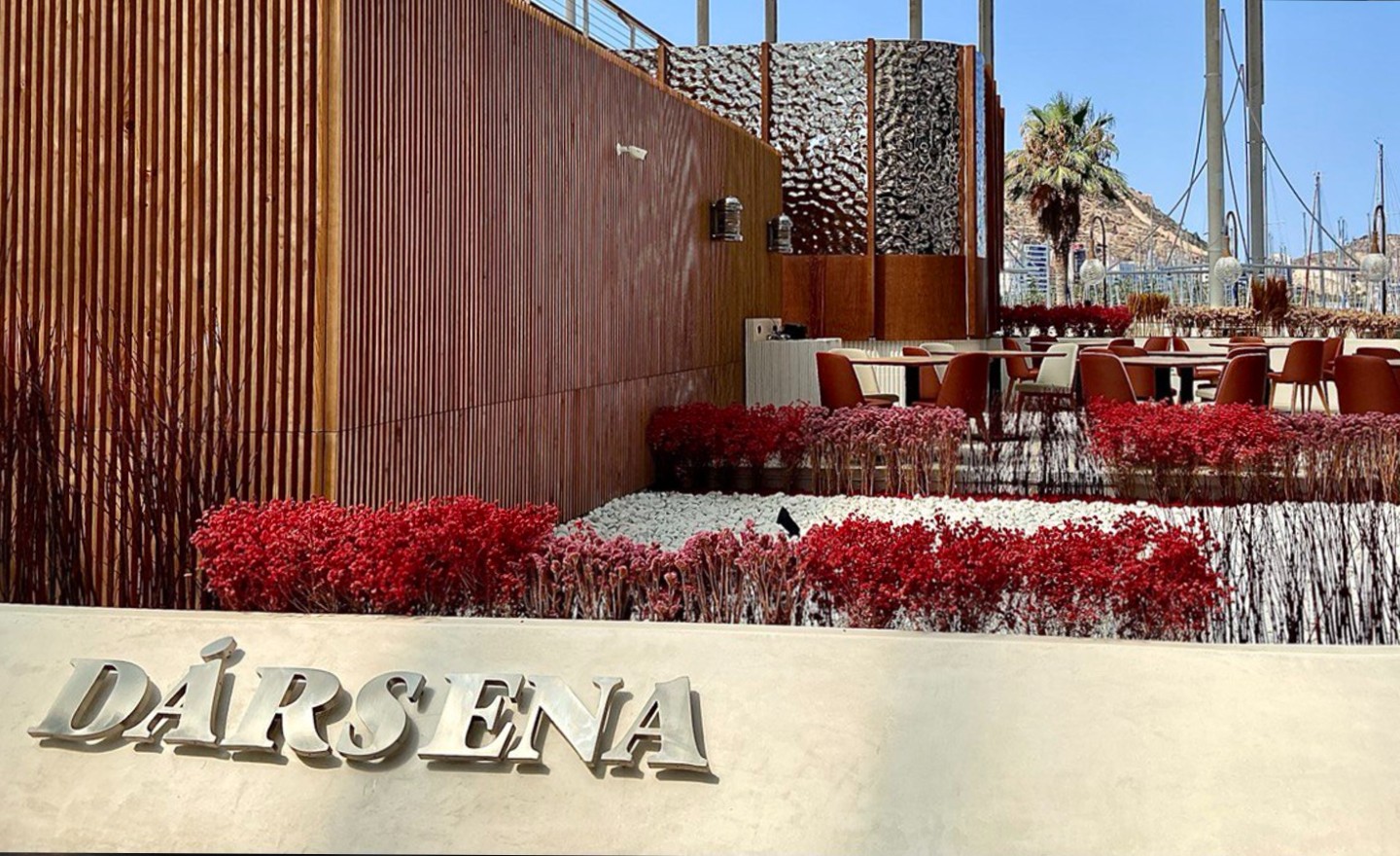
Its own management has summed it up in a particularly fitting way: “In Alicante we make rice dishes. But we recognise and celebrate the fact that paella has put us on the map”.
Perhaps this phrase is the best way to bring any false rivalry to an end. It is not about denying paella, but rather about recognising that alongside it there is an Alicante rice culture with characteristics of its own.
Which should you choose depending on the occasion or your taste?
In reality, there is no need to choose.
If you are looking for a recipe deeply connected with the Valencian market gardens, made with chicken, rabbit, flat green beans and garrofón, cooked in a thin layer of rice and, whenever possible, over a good wood fire, Valencian paella is one of the great expressions of our gastronomy.
If you prefer to discover how a dry rice dish changes depending on the stock, the ingredients and the territory, Alicante offers an extraordinarily broad repertoire: from arroz a banda prepared with a powerful seafood stock to rice with rabbit and snails cooked over vine shoots in the wine-growing areas of the interior.
Even within Alicante itself, the experience can change completely depending on where you are. The coast and the inland regions have developed different recipes using the same main ingredient: rice.
So perhaps the question should not be which one is better, but rather which rice dish do we want to eat today?
Paella and Alicante-style rice dishes, two treasures with identities of their own
Valencia and Alicante are separated by relatively few kilometres, yet their respective rice cultures demonstrate just how differently the same product can evolve.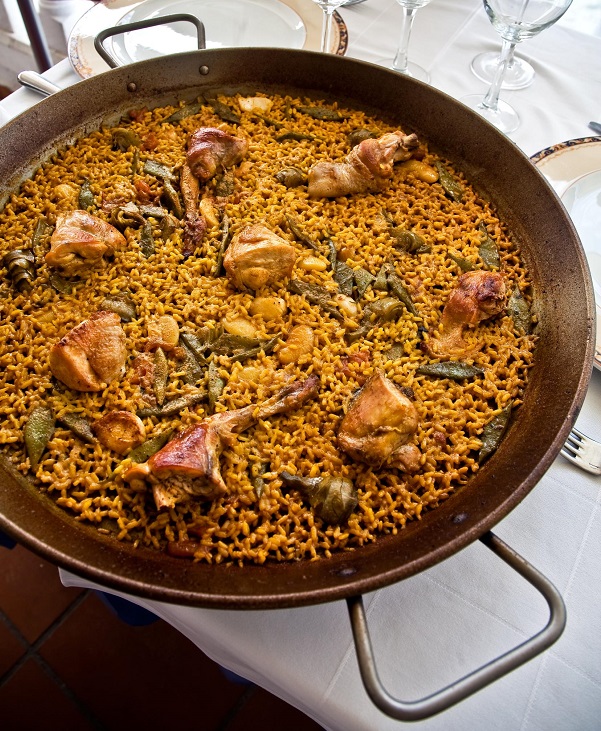
Valencian paella represents a specific recipe born from a territory, a set of ingredients and a tradition. Alicante-style rice dishes represent a more open repertoire, where ingredients and techniques change depending on the sea, the inland regions and the products available in each area.
One uses products such as flat green beans and garrofón as key references; the other has made ingredients such as ñora peppers, salmorreta and seafood stocks some of its defining characteristics, while inland we find combinations as distinctive as rabbit and snails.
One finds in orange wood one of its traditional ways of controlling the fire; certain inland Alicante rice dishes have turned vine shoots and their lively flames into an inseparable part of their identity.
These are differences in ingredients and technique, but above all they are differences in gastronomic culture.
And perhaps this is precisely why the well-known Alicante saying carries much more meaning than it might initially appear:
"In Alicante we don’t make paella, we make rice dishes"